Iran asserts full control over Strait of Hormuz as Trump rejects truce deal
Note: AI technology was used to generate this article’s audio.
- Trump rejected an Iranian proposal featuring a seven-day ceasefire intended to restore maritime trade through the strait.
- Benchmark Brent crude surged 2.8 percent to $107.26 per barrel, while WTI rose 1.8 percent to $94.07 following news of the impasse.
- Financial analysts noted softer Asian equities and heightened market uncertainty as hopes for an immediate resolution faded.
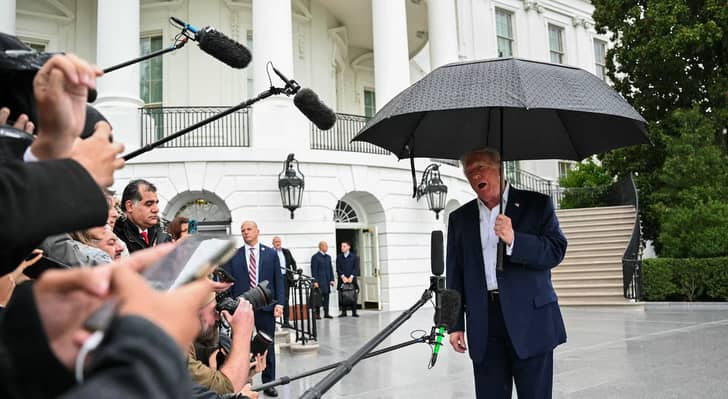
An Iranian military official declared on Monday that Tehran exercises total military control over the Strait of Hormuz, brushing off international opposition as oil markets surged following Donald Trump's rejection of a proposed reopening plan.
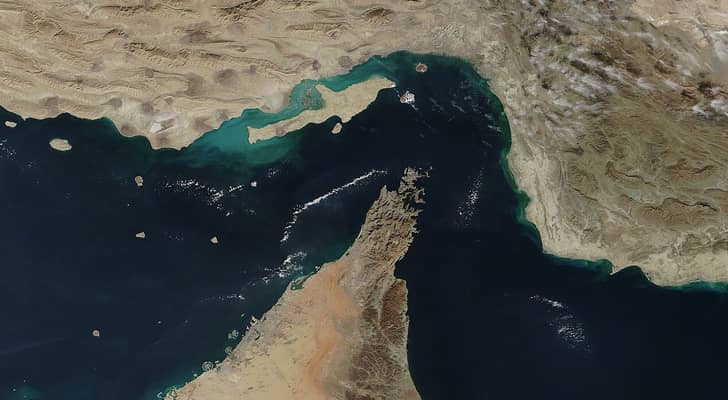
Admiral Habibollah Sayyari, chief of staff of Iran’s army, reaffirmed Tehran's strategic command over the vital maritime bottleneck. "Despite the rhetoric of the enemy, the fact is the Strait of Hormuz is under our complete control," Sayyari stated.
He added that Iranian forces "act decisively in the north of the Oman Sea and east of the Strait of Hormuz and do not allow anyone to cross".
Outlining the military division of responsibilities, Sayyari specified that "the western part of the Strait of Hormuz, the strait itself, and the Persian Gulf are under the full control of the Islamic Revolution Guards Corps (IRGC) Navy, while the eastern part of the Strait of Hormuz and the northern Indian Ocean are under the full control of the Army Navy."
The assertive statements follow Washington's rejection of an Iranian proposal for a seven-day ceasefire aimed at reopening the strategic waterway to commercial shipping, extending a diplomatic standoff over the conflict.
The diplomatic impasse triggered an immediate reaction across global commodities markets, driving crude prices higher. Brent crude rose 2.8 percent to $107.26 per barrel, while US West Texas Intermediate (WTI) gained 1.8 percent to reach $94.07 per barrel.
Market analysts noted that Trump's refusal to accept Tehran's proposal renewed supply concerns. Stephen Innes of Quintex Intel observed that Middle East tensions flared again following the rejection, weakening Asian equities and unwinding a brief rally in global fixed income. Analysts maintain that markets continue to price in the possibility of eventual negotiations, even as both sides maintain firm public postures.