A Joint List event


‘Israel’ bans Arab parties from October election
Note: AI technology was used to generate this article’s audio.
- ‘Israel’s’ Central Elections Committee voted to disqualify Ra’am and the Joint List from the Oct. 27 Knesset election.The panel also voted to bar candidates Ofer Cassif and Sami Abu Shehadeh.
- The parties say the moves are politically motivated and deny the allegations cited in the petitions.
‘Israel’s’ Central Elections Committee has voted to bar the country’s two main Arab-led political lists from next month’s parliamentary election, a decision that could leave Palestinian citizens of ‘Israel’ without their main electoral vehicles if it is upheld by the courts.
The committee voted 18-5, with one abstention, to disqualify the United Arab List, known as Ra’am, led by Mansour Abbas, and the Joint List, an alliance of the Arab-led Hadash, Ta’al and Balad parties. It also voted separately to disqualify Joint List candidate Ofer Cassif and Balad leader Sami Abu Shehadeh.
The decisions are not yet final. The parties can challenge their exclusion, while the disqualification of individual candidates requires approval from ‘Israel’s’ Supreme Court. Adalah, the legal organisation representing the parties and candidates, said it would challenge the decisions before the court.
The petitions were brought under Section 7A of Israel’s Basic Law: The Knesset, which allows candidates or party lists to be barred for rejecting ‘Israel's’ existence as a Jewish and democratic state, inciting racism or supporting armed struggle against ‘Israel’ by an enemy state or an organisation designated as terrorist.
Attorney General Gali Baharav-Miara had opposed the disqualification of Ra’am and the Joint List, saying the evidence did not meet the legal threshold for excluding them. Her office took a different position in Abu Shehadeh’s case, saying an article he published after the Oct. 7, 2023 attacks warranted serious examination over alleged support for armed struggle.
Adalah disputes the allegations against the parties and candidates, saying the cases relied heavily on old material and did not establish the required evidence for disqualification. It said there was no evidence that Ra’am supports armed struggle and that the Joint List petition relied on positions and legislative proposals that had previously been examined.
Ra’am described its exclusion as political and illegitimate, while the Joint List said the decision sought to prevent Arab voters from influencing the balance of power in the election. Abu Shehadeh has also rejected allegations that he supports violence and said he opposes armed struggle.
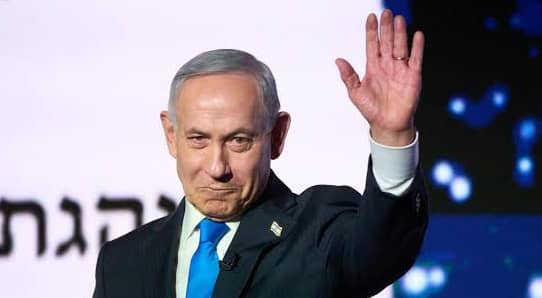
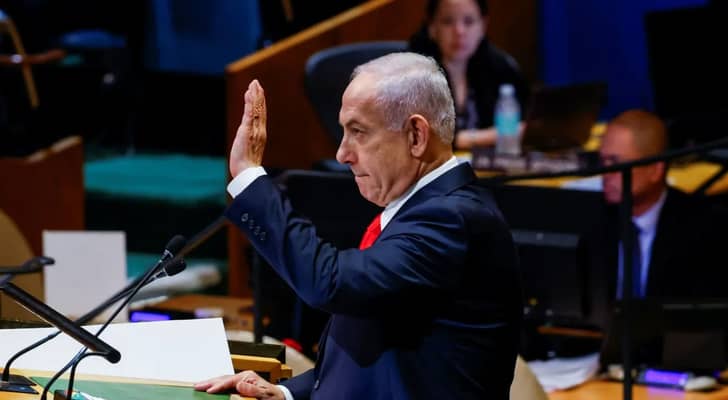
The committee’s decisions came as parties across ‘Israel’s’ political spectrum filed petitions seeking to exclude some Arab candidates and lists. Prime Minister Benjamin Netanyahu’s Likud party sought to disqualify the Joint List and Cassif, while National Security Minister Itamar Ben-Gvir’s Otzma Yehudit party sought to bar Abu Shehadeh.
On Thursday, however, the committee rejected attempts to disqualify Otzma Yehudit and the Religious Zionist Party from the October election.
The Supreme Court has previously overturned election committee decisions seeking to bar Arab parties and candidates, including the disqualification of Balad in 2022. The court will now determine whether the evidence in the latest cases meets the legal threshold for exclusion.
‘Israel’s’ election is scheduled for Oct. 27. The outcome of the legal challenges will determine whether Ra’am and the Joint List appear on the ballot and whether Cassif and Abu Shehadeh can stand as candidates.
Read more: ‘Israel’ bans wheelchairs, toilet seats from entering Gaza