Iran’s president says Tehran wants a deal with US before midterm elections
Note: AI technology was used to generate this article’s audio.
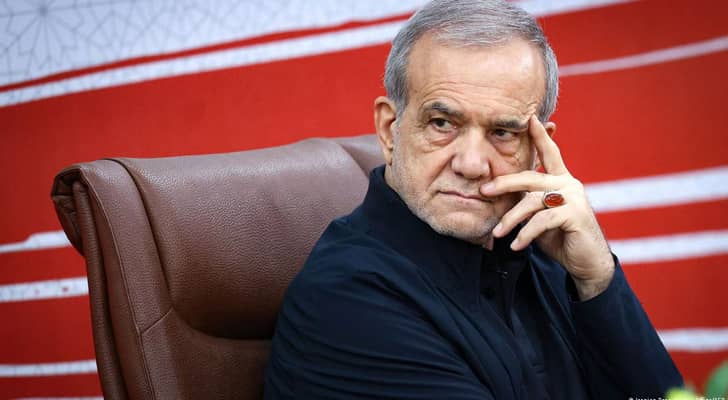
- Iranian President Masoud Pezeshkian said Tehran was willing to reach an agreement with Washington before the November US midterm elections.
- His comments came after President Donald Trump said he expected Iran to wait until after the elections before reaching a deal.
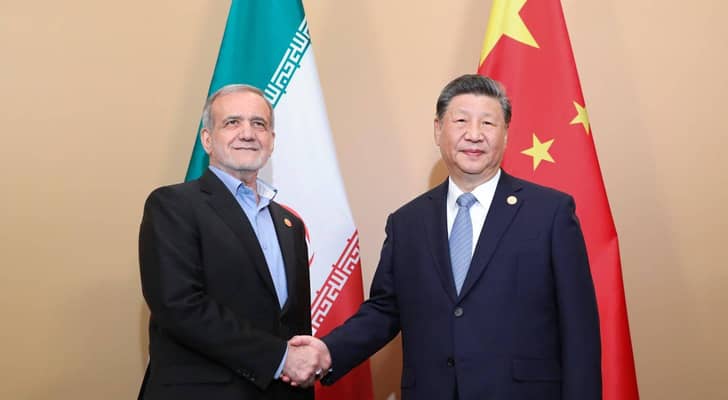
Iranian President Masoud Pezeshkian said Thursday that his government was willing to reach an agreement with the United States to end the war before Americans vote in the November midterm elections.
“We don’t want it to get to the midterm elections,” Pezeshkian told NBC News and other media organizations during a brief meeting on the sidelines of the United Nations General Assembly in New York.
“We wish Americans to return to the MOU before the midterms,” he added, referring to a memorandum of understanding between Washington and Tehran that outlined plans for a temporary ceasefire. The agreement, signed in June, later collapsed.
Responding to NBC News, White House spokesperson Anna Kelly accused the Iranian government of killing thousands of its own people, attacking Americans overseas, carrying out what she described as terrorist acts in the Strait of Hormuz and launching attacks against neighboring countries.
“The President is courageously ensuring that such an evil country never possesses a nuclear weapon, which will make the entire world safer and more stable,” Kelly said.
The White House has repeatedly said preventing Iran from obtaining a nuclear weapon is a central objective of the US military campaign.
Pezeshkian’s comments came two days after President Donald Trump told world leaders at the UN that he believed Tehran would not reach an agreement to end the conflict until after the US midterm elections.
“I believe we’ll make a deal right after the election because it doesn’t make sense for them not to,” Trump said. “They’re waiting to see how I do in the midterm election.”
Trump also said Tuesday that he was weighing whether to “annihilate” Iran or reach a deal.
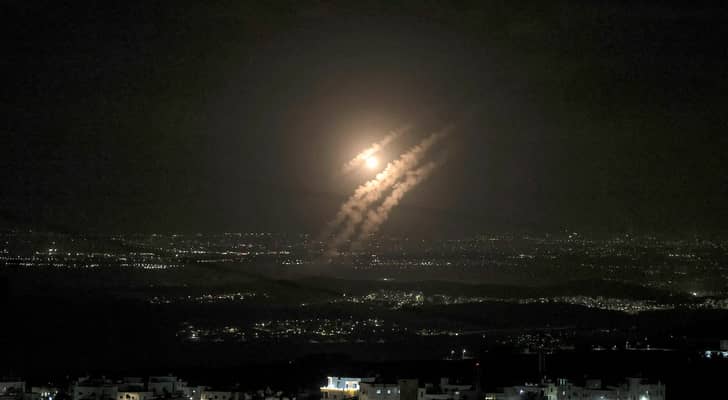
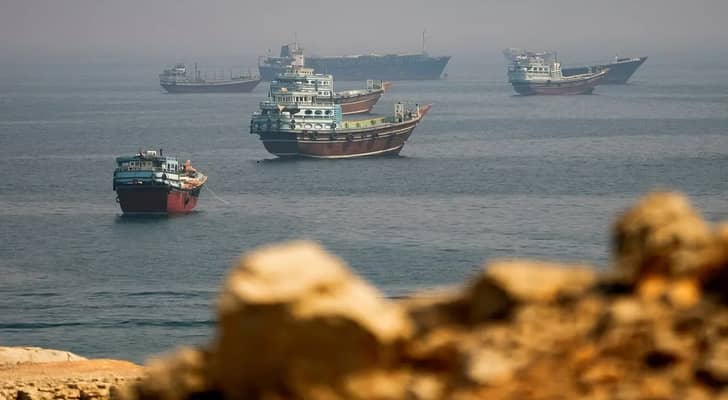
The conflict has disrupted shipping through the Strait of Hormuz, a critical global energy route. Iran blocked the waterway after the war began, contributing to disruptions in international energy markets.
Pezeshkian’s remarks indicate that Tehran is open to renewed negotiations before the November elections, but the statements from Washington suggest major differences remain over the terms of any potential agreement.
During the meeting with journalists, Pezeshkian also said he had met twice with Iran’s new leader, including a seven-hour meeting about a month ago.