Araghchi, Witkoff held three hours of mediated talks at UN
Note: AI technology was used to generate this article’s audio.
- Tehran offered to reopen the Strait of Hormuz within a week if the US eases military pressure and lifts port blockades.
- The proposal marks a reduction from earlier Iranian preconditions, backed by Supreme Leader Mojtaba Khamenei despite IRGC opposition.
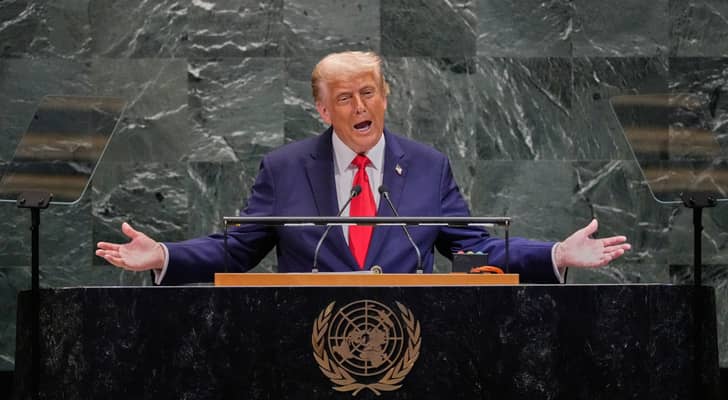
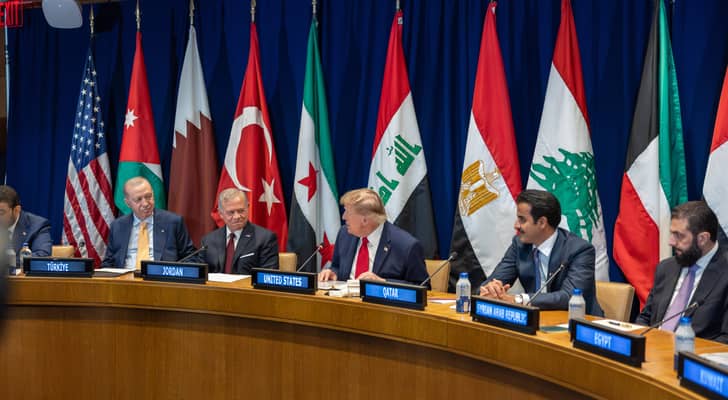
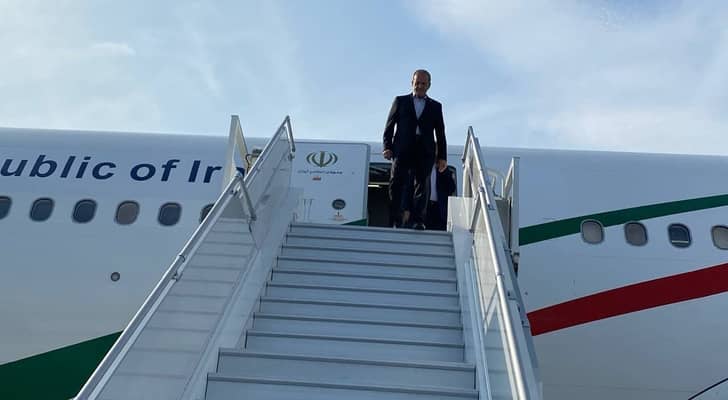
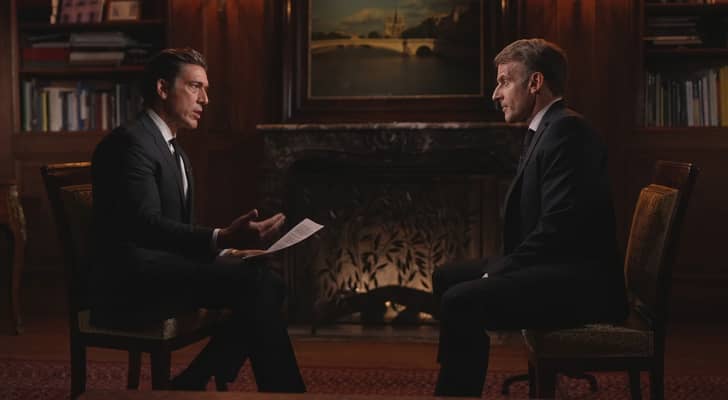
US President Donald Trump disclosed on Tuesday that American and Iranian officials engaged in three hours of direct discussions on the sidelines of the United Nations General Assembly in New York.
The high-level talks involved Iranian Foreign Minister Abbas Araghchi and US Special Envoy Steve Witkoff, mediated by Qatari diplomats.
Speaking on the outcome of the session, Trump noted that another meeting is planned for the "very near future".
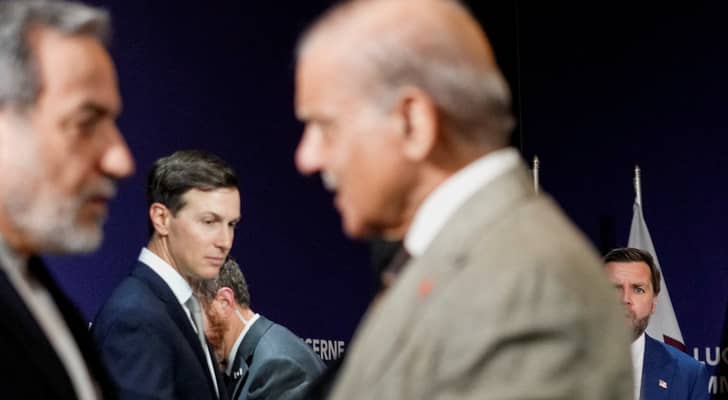
Special Envoy Witkoff expressed satisfaction with the encounter, marking the first major contact between the two nations since US Vice President JD Vance met an Iranian delegation in Switzerland to sign an initial memorandum of understanding in June.
Hormuz reopen within a week
Amid intense diplomacy at the UN summit, a senior Iranian official indicated that Tehran is prepared to reopen the vital maritime choke point within seven days if Washington takes reciprocal measures to ease its military and economic pressure.
According to the official, Iran is seeking clear signals that the US intends to return to negotiations, specifically through steps toward easing its naval blockade of Iranian ports and suspending military operations associated with the waterway.
The proposed timeline represents a notable departure from the seven rigid conditions previously demanded by Iranian leadership, which had included an immediate end to the US war "on all fronts" and a complete cessation of aggressive actions, including sanctions.
Disagreements persist
The shift in Tehran’s negotiation parameters was reportedly approved by Iran's Supreme Leader, Mojtaba Khamenei, alongside the country's Supreme National Security Council.
However, media outlets affiliated with the Islamic Revolutionary Guard Corps (IRGC) denied that any new position had been adopted, exposing underlying political divisions within Iran’s political establishment regarding the talks.
While Qatari diplomats continue to facilitate communications between Araghchi and American officials, diplomatic sources indicated that a direct bilateral meeting between Iranian President Masoud Pezeshkian and US President Trump was ruled out due to the sensitive nature of current conditions.