Araghchi’s “bomb” question to Witkoff during talks resurfaces on social media
Note: AI technology was used to generate this article’s audio.
Statements by Iran’s Foreign Minister Abbas Araghchi from a July interview earlier this year have resurfaced widely on social media, as tensions with the United States continue.
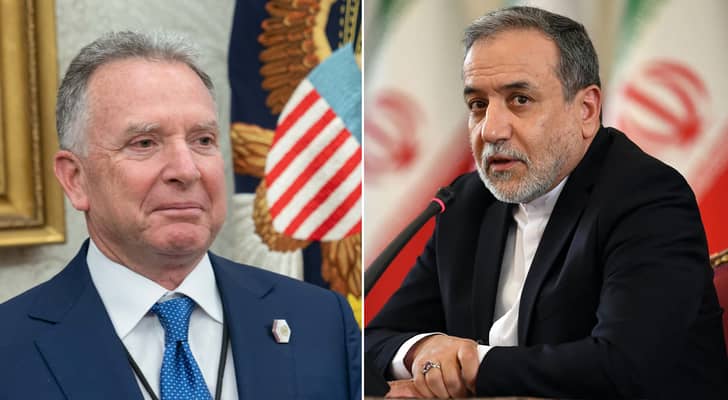
In the interview, conducted by Iranian documentary filmmaker Javad Mogouei for the “Story of War” series and released on July 19, Araghchi described the high-stakes atmosphere of earlier talks with US envoy Steve Witkoff.
He recounted asking Witkoff whether he had ever negotiated while fearing imminent attack: “Have you ever been in a meeting where at any moment you think the whole meeting might be bombed? Have you ever been on the phone while you’re talking, you might, as they say, explode, be destroyed? Have you ever, for example, while checking in on your family over the phone, thought to yourself this might be the last time?”
During the negotiations that led to the MoU, Iranian Foreign Minister Dr. Araghchi:
— Iran In Hyderabad (@IraninHyderabad) July 19, 2026
"I asked Witkoff, have you ever been in a meeting where there was a chance of being bombed at any moment? Have you ever called your loved ones thinking, it might be the last call?!
We have… pic.twitter.com/jvvqOSnjex
Araghchi emphasized that Iranian officials refused to yield under pressure.
“We stood our ground. You have to talk. You can’t threaten us and you can’t bribe us,” he said.
He rejected what he described as attempts during pre-war negotiations to “bribe the Islamic Republic” with offers of assistance or projects in exchange for concessions on uranium enrichment, declaring: “Our enrichment is not for sale.”
He further stated that threats and inducements would not work against Iran.
“You can neither threaten us nor bribe us,” Araghchi said, adding that one can only threaten someone who is afraid.
He contrasted Iran’s position with other cases, remarking, “Iran is not Venezuela,” and arguing that Washington could not expect to force surrender by targeting individuals.
In the same interview, Araghchi described the early days of the conflict, noting that senior officials were cut off from communications for about three days and focused on determining who had survived.
He maintained that Iran’s policies and principles remained unchanged despite the fighting, and claimed that both friends and adversaries told him Iran had emerged stronger, with the Strait of Hormuz underscoring the country’s strategic leverage.
The remarks, originally released in July amid renewed US strikes and a fragile ceasefire environment, have circulated again in recent days.