Hakan Fidan, Turkish foreign minister

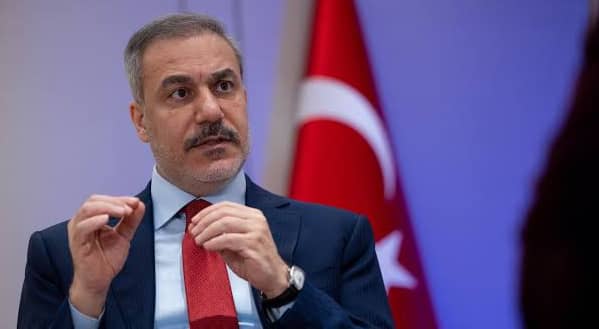
Turkey says Gulf attacks undermine peace efforts
Note: AI technology was used to generate this article’s audio.
- Ankara calls for an immediate halt to strikes, urges reopening of the Strait of Hormuz on pre-war terms.
Turkish Foreign Minister Hakan Fidan has warned that the ongoing exchange of attacks in the Gulf is undercutting international efforts to end the war between the United States and Iran, urging all sides to bring the strikes to an immediate halt.
Fidan said the attacks were complicating the diplomatic track Ankara and others have been pursuing to wind down a conflict that has drawn in Gulf states, disrupted shipping, and repeatedly threatened to collapse the ceasefire arrangements reached earlier this year.
He stressed that Turkey continues to value the stability of Iran as a neighboring state.
The minister also called for freedom of passage through the Strait of Hormuz, one of the world's most critical energy corridors, and said the waterway's pre-war status quo should be restored.
The strait has been at the center of the crisis for months: Iran shut it to shipping after the war began in late February, later allowing only conditional and fee-based transit, while Washington and Gulf shippers have pushed for a full return to normal traffic.
Successive rounds of strikes on vessels and disputes over transit routes have repeatedly reignited tensions even after ceasefire understandings were reached.
Fidan said Ankara remains in contact with all parties involved, including the United States, Iran, and Gulf states, as it works to help resolve the crisis.
Turkey has positioned itself throughout the conflict as a mediator, seeking a settlement that leaves no side appearing to have been humiliated or to have lost outright, while also warning that further attacks on civilian and energy infrastructure risk widening the war across the region.
The renewed appeal comes against a backdrop of recurring escalation cycles since the war began on Feb. 28: initial Iranian strikes on Gulf states, a partial reopening of Hormuz under an interim memorandum of understanding, and subsequent flare-ups as disputes over shipping routes and enforcement have repeatedly threatened to unravel the peace process.
Turkey, which shares a border with Iran and has significant trade and energy interests tied to regional stability, has consistently cast itself as an advocate for de-escalation, even as it has been openly critical of tactics used by all sides in the conflict.