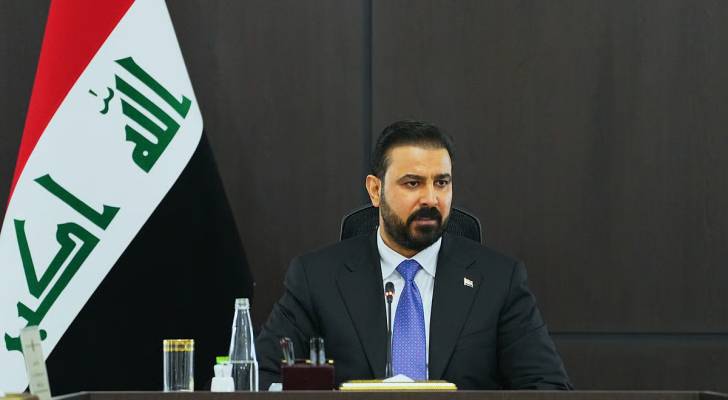
Iraq rejects use of territory to 'threaten neighbors'
Note: AI technology was used to generate this article’s audio.
- Iraqi Prime Minister Mohammed Shia Al-Sudani says Baghdad will prevent Iraqi territory from being used to threaten neighboring states or settle regional disputes.
- He links state control of weapons to national sovereignty, unified decision-making and long-term stability.
Iraqi Prime Minister Mohammed Shia Al-Sudani said the government will not allow Iraq to become a base for threatening neighboring countries or a battleground for settling regional disputes.
His remarks come as Baghdad faces continued pressure to strengthen state authority over armed groups and ensure that decisions affecting national security remain under government control.
Al-Sudani said placing weapons under the control of the Iraqi state is a fundamental condition for building a unified country.
He stressed that the policy should not be viewed as a confrontation with any particular party, but as part of efforts to strengthen state institutions and preserve Iraq’s sovereignty.
“We will not allow Iraqi territory to become a base for threatening neighboring countries or a battleground for settling scores,” he said.
The prime minister also warned against the existence of competing centers of power and decision-making, saying a stable state cannot be built while different actors maintain independent authority.
The comments reflect Iraq’s broader effort to keep the country from being drawn into regional conflicts while maintaining control over its territory and security decisions.
Al-Sudani said Iraq’s stability depends on having a single national authority capable of making decisions and enforcing the law across the country.
He added that state institutions must remain the central authority for security and the use of force, stressing that national unity requires the elimination of competing centers of power.