Al Shifa Hospital, Gaza (2024)

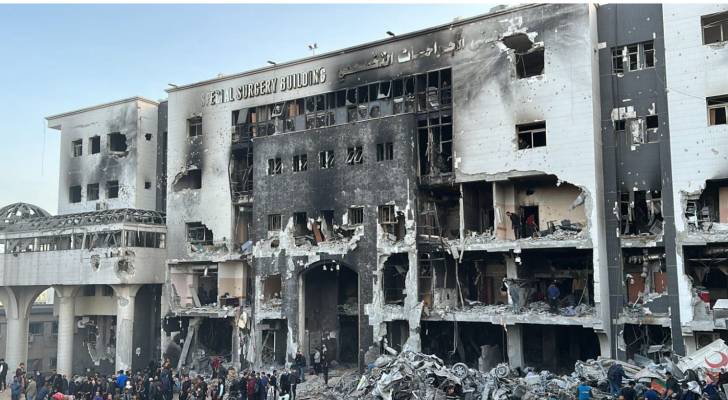
Gaza hospitals near shutdown as fuel runs out, Health Ministry warns
Note: AI technology was used to generate this article’s audio.
- Gaza's Health Ministry says several hospital generators have already stopped.
- Generators are hospitals' only power source; the Oct. 2025 ceasefire ended full-scale fighting but hasn't resolved the fuel/energy shortage.
- 20 hospitals/health centers reportedly notified that WHO-supplied fuel could stop after Sep. 19.
Hospitals across the Gaza Strip are warning that they are on the brink of losing power entirely, as a worsening shortage of engine oil, fuel and spare parts causes generators to fail one after another , nearly a year into a ceasefire that has done little to ease the territory's energy crisis.
Gaza's Health Ministry said Sunday that several electricity generators at hospitals across the Strip have stopped operating due to shortages of oil, spare parts and fuel. The ministry said the shortage of generator oil is making it increasingly difficult to maintain electricity supplies at hospitals, and that the limited quantities of oil ‘Israel’ has recently allowed into Gaza are only sufficient for emergency needs , while hospitals require around 2,500 liters a month each.
"The remaining generators are operating around the clock under difficult technical and mechanical conditions and are unable to meet the electricity needs of all life-saving departments," the ministry said, warning that more generators could shut down without urgent resupply.
Gaza has had no connection to the power grid since the start of ‘Israel's’ military offensive in the territory in Oct. 2023, leaving generators as hospitals' only source of electricity.
Those restrictions have continued despite the US-brokered ceasefire that took effect in Oct. 2025, which ended full-scale fighting, but has failed to halt all ‘Israeli’ strikes, or relieve Gaza's underlying humanitarian and energy crises.
A looming WHO cutoff
The warnings have escalated further this week. According to Mohammed Abu Afash, director of the Medical Relief Society in Gaza, a number of non-governmental and community health centers have received notices that the World Health Organization may halt the fuel supplies it provides them after Sep. 19.
He said the move, if carried out, could disrupt or stop services at roughly seven health centers, and clarified that it would not affect government-run public hospitals, only community and NGO-run clinics and institutions.
The medical charity Doctors Without Borders (MSF) says the broader restrictions on fuel imports are straining essential infrastructure well beyond hospitals, crippling water systems and ambulance services as well.
On Sep. 5, Gaza's Municipalities Union warned that essential services are approaching "total collapse." Fuel costs have soared as a result: MSF says engine oil prices climbed more than twentyfold over the past six months, reaching over $1,300 per liter by late July, pricing most families out of private backup power.
Read more: Gaza holds mass funeral for 100 unearthed from rubble, mostly children