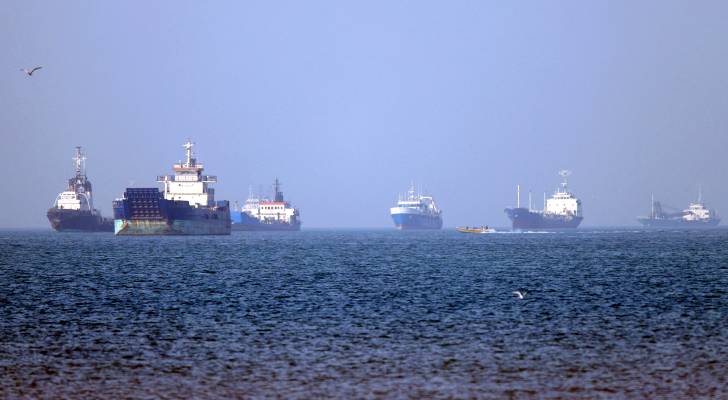
Iran says Hormuz deal with Oman does not ensure safe navigation
Note: AI technology was used to generate this article’s audio.
Iran said Saturday that an understanding reached with Oman on transit routes through the Strait of Hormuz does not necessarily mean the strategic waterway is safe for navigation, as regional efforts continue to ease disruptions to commercial shipping.
Iran’s Foreign Ministry said it would present the results of its negotiations with Oman to a meeting of Gulf littoral states.
It also said the security of the strait depended on the United States ending what Tehran described as destabilizing actions and its naval blockade.
"As long as the US blockade and economic war continue, it cannot be claimed that the Strait of Hormuz is safe," the ministry said.
Talks with Oman
Iran and Oman have been negotiating arrangements for commercial vessels to transit the strait, with Oman seeking a temporary mechanism to improve shipping security amid the wider US-Iran conflict.
A senior Iranian official said Saturday that a meeting planned for Monday in Oman is not expected to produce a signed agreement.
The talks are instead expected to address the management of the waterway and possible arrangements for commercial shipping.
Iran and Oman have previously agreed on a proposed route through the strait, with discussions continuing over how the passage would be managed.
The Strait of Hormuz is a critical global energy route. Before the current hostilities, roughly one-fifth of the world's oil supply passed through the waterway. Recent attacks and restrictions have disrupted commercial shipping and contributed to higher oil prices.
Nuclear dispute adds to tensions
Iran also rejected recent findings by the International Atomic Energy Agency, saying its nuclear program is peaceful and accusing the agency of providing grounds for aggression against Iran.
The comments came after the IAEA Board of Governors voted on September 9 to refer Iran to the UN Security Council over concerns about its nuclear safeguards obligations.
Iran has rejected the move as politically motivated.
The dispute over Iran's nuclear program has added to tensions surrounding the Strait of Hormuz, where the United States and Iran have recently engaged tit-for-tat strikes.