US has fewer than 1,700 Patriot interceptors left after Iran war use: NYT
Note: AI technology was used to generate this article’s audio.
The Pentagon has fewer than 1,700 Patriot interceptors remaining after expending more than 1,500 in the war with Iran, according to sources briefed on stockpile levels who spoke to The New York Times.
The reported figure underscores the heavy toll of defending US bases and troops against Iranian ballistic missiles, drones, and related threats since the conflict intensified earlier this year.
The United States produced only about 600 of the interceptors in all of 2025, highlighting a persistent gap between consumption and replenishment.
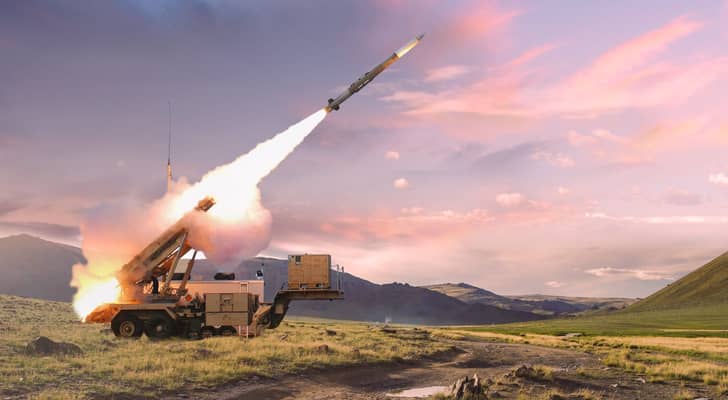
Patriot systems, particularly the PAC-3 variants, have formed a cornerstone of US and partner air defenses in the Middle East.
They have achieved high interception rates in engagements, including what officials described as the largest single Patriot engagement in US military history during earlier phases of the fighting.
Yet episodic exchanges have continued to draw down stocks even after major combat intensity eased, with dozens of interceptors sometimes expended in a given week.
Independent analysis from the Center for Strategic and International Studies (CSIS) has painted an even tighter picture in some estimates, placing remaining Patriot interceptors in the range of roughly 759 to 827—down from a pre-war inventory near 2,200–2,330—after use of about two-thirds of the stockpile.
CSIS analysts Mark Cancian and Chris Park noted that “diminished stockpiles may force the United States and its coalition partners to take more risks with interceptions” and that “there are no good alternatives to Patriot and THAAD for ballistic missile defense.”
THAAD inventories have also fallen sharply, with some assessments indicating declines of around 38 percent or more from pre-war levels of about 452 interceptors.
Senior military commanders have privately warned of “dangerously low” overall munitions stocks in recent inventory reviews, according to sources cited by CNN, though Defense Secretary Pete Hegseth has publicly rejected characterizations of the situation as untrue.
The Pentagon and administration have maintained that the force retains sufficient capabilities for current operations.
President Trump has dismissed shortage concerns earlier, stating that the US has “far more munitions than anyone in the world, and far more than we need.”
Officials have also pointed to expanded production agreements, including multi-year contracts with Lockheed Martin aimed at raising annual Patriot interceptor output toward 2,000 units from recent levels around 600, though full recovery of inventories is projected to take years—potentially until 2029 or beyond under current trajectories.
The strain has broader implications, limiting flexibility for other contingencies such as support to Ukraine or potential Indo-Pacific scenarios, while allies in the Gulf have similarly drawn down their own Patriot holdings.