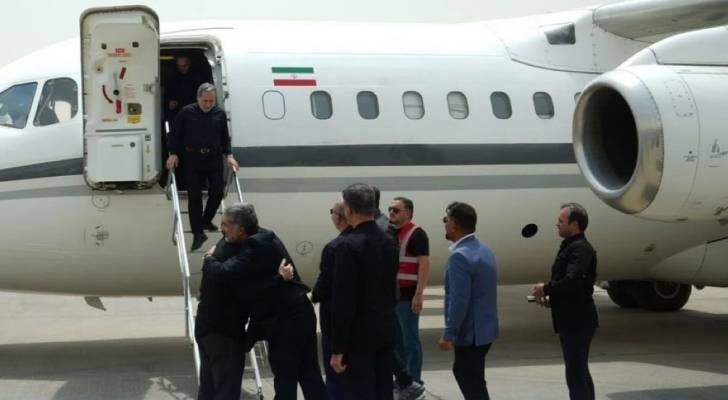
Araghchi arrives in Najaf to lead Arbaeen pilgrimage
Note: AI technology was used to generate this article’s audio.
- Araghchi visits Najaf ahead of Arbaeen pilgrimage.
- Trip focuses on pilgrim security and logistics.
- Millions expected for annual Arbaeen march.
- Iran and Iraq coordinate pilgrimage preparations.
Iranian Foreign Minister Abbas Araghchi arrived in the holy city of Najaf on Monday to coordinate essential services, consular support, and security arrangements for Iranian pilgrims ahead of the massive annual Arbaeen pilgrimage to Karbala.
Najaf serves as the traditional starting point for the 80-kilometer (50-mile) ritual walk toward Karbala.
Crowds clad in black filled the streets around the shrine complex under heightened security watch, with Araghchi joining local officials and religious authorities to review logistics for the million-person gathering.
Bilateral effort to support millions of pilgrims
The Arbaeen pilgrimage marks the 40th day of mourning following Ashura, the anniversary of the 7th-century martyrdom of Imam Hussein at the Battle of Karbala.
Every year, millions of Shia Muslims from Iran and across the globe travel to Iraq to participate in the walk, making it one of the largest annual peaceful religious gatherings in the world.
Local authorities in Najaf Province have mobilized administrative, health, and security infrastructure to handle the influx.
Over 7,500 registered Husseini service processions have been set up along the main routes to provide free meals, water, rest areas, and medical support to pilgrims.
During his visit, Araghchi highlighted the Foreign Ministry’s commitment to providing comprehensive diplomatic and consular backing to facilitate smooth border crossings and transit operations for citizens.
Diplomatic ties reinforced
The joint administration of the Arbaeen pilgrimage highlights the enduring religious and strategic partnership between Iran and Iraq.
Border agencies between the two nations have streamlined visa requirements, expanded border post capacities, and introduced integrated medical response teams to manage the peak days of the ritual.
As black flags and red banners line the highways leading out of Najaf toward Karbala, the joint oversight ensures that public services, emergency response networks, and crowd control measures remain operational through the conclusion of the mourning ceremonies.