Meta complies with 'Israeli' requests to remove pro-Iran content
Note: AI technology was used to generate this article’s audio.
- Internal company records reviewed by The Intercept indicate that the 'Israeli' government asked Meta to remove Facebook and
- Instagram content related to the war with Iran, including posts supportive of Iran and content showing Iranian missile strikes.
- The report says Meta complied with a significant portion of the requests, raising concerns about censorship and the influence of governments on social media platforms.
Internal company records reviewed by The Intercept show that the 'Israeli' government petitioned Meta, the parent company of Facebook and Instagram, to remove content related to the ongoing conflict with Iran, prompting renewed debate over online censorship and freedom of expression.
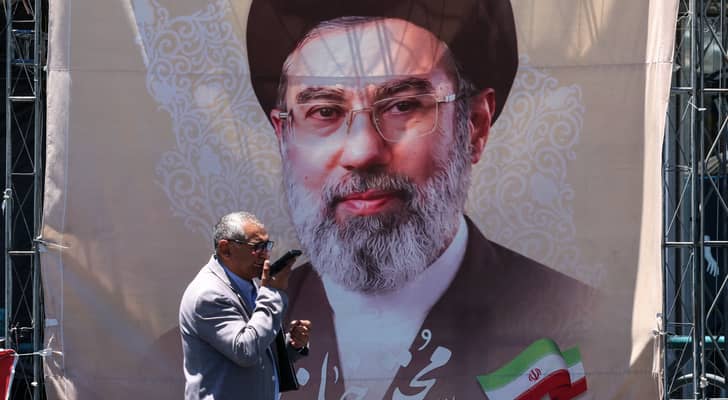
According to the documents, the requests focused on posts expressing support for Iran, opposition to 'Israel', footage and images showing Iranian missile impacts, and content mourning the death of Iranian Supreme Leader Ayatollah Khamenei, who was assassinated during the early stages of the war.
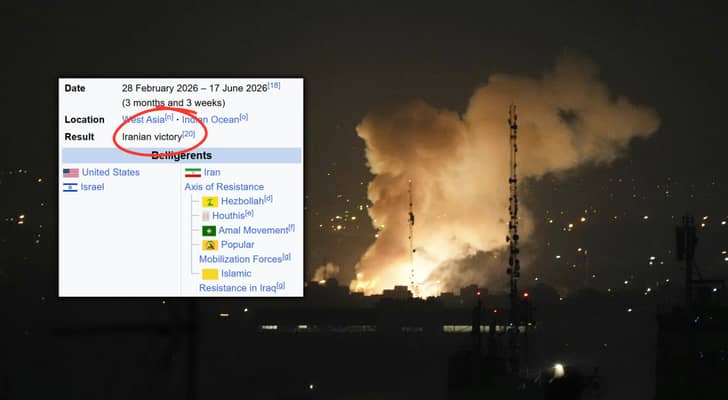
The records suggest that 'Israeli' authorities sought the removal of both text-based posts and visual content circulating across Meta's platforms. Some of the flagged material reportedly included documentation of missile strikes and commentary critical of 'Israeli' military actions.
The report states that Meta complied with a significant portion of the takedown requests submitted by 'Israeli' authorities.
The revelations have intensified criticism from digital rights advocates, who argue that social media companies must balance government requests with the protection of free expression and access to information, particularly during armed conflicts.
Critics say the removals could affect public access to information about the conflict and shape the narratives visible on some of the world's largest social media platforms.
The disclosures come amid broader concerns about information control during regional conflicts. Government requests for content removal and platform moderation policies have increasingly come under scrutiny as wars are fought not only on the battlefield but also across digital spaces.
The findings are likely to fuel further debate over how major technology companies respond to government demands and whether such actions risk limiting the diversity of viewpoints available online during times of war and political crisis.