

CENTCOM lifts Iran blockade, ends Gulf naval enforcement
Note: AI technology was used to generate this article’s audio.
- Move follows presidential orders tied to a new peace agreement.
- US forces no longer impede merchant shipping near Iran.
- Navy ships remain in the region to monitor compliance.
In a historic operational shift that marks the formal end of intense naval hostilities, US Central Command (CENTCOM) announced Thursday that American military forces have officially lifted the comprehensive blockade on all maritime traffic entering and exiting Iranian ports and coastal areas.
The sweeping directive, distributed via a formal statement on X, was executed in direct compliance with executive instructions issued by the US President.
Today, U.S. forces lifted the blockade on all maritime traffic entering and exiting Iranian ports and coastal areas, in accordance with the President's direction. American forces are not impeding the transit of vessels to or from Iranian ports on the Arabian Gulf and Gulf of…
— U.S. Central Command (@CENTCOM) June 18, 2026
The termination of the blockade follows the successful electronic signing of a war-ending memorandum of understanding (MoU) between Washington and Tehran, which immediately triggered a 60-day diplomatic truce window.
According to the military command, the relief of restrictions applies universally across all vital commercial waterways in the region.
CENTCOM verified that American forces are no longer obstructing, boarding, or impeding the transit of civilian and commercial vessels moving to or from Iranian ports situated along both the Arabian Gulf and the Gulf of Oman.
The operational stand-down effectively brings an immediate halt to months of high-intensity maritime friction, which had severely choked global supply chains and paralyzed regional energy trade.
CENTCOM explicitly declared that "all US military blockade enforcement efforts have ceased," signaling a rapid de-escalation of the Pentagon's frontline posture.
However, the complete removal of the shipping embargo does not mean an immediate withdrawal of the American strategic footprint from the Middle Eastern theater.
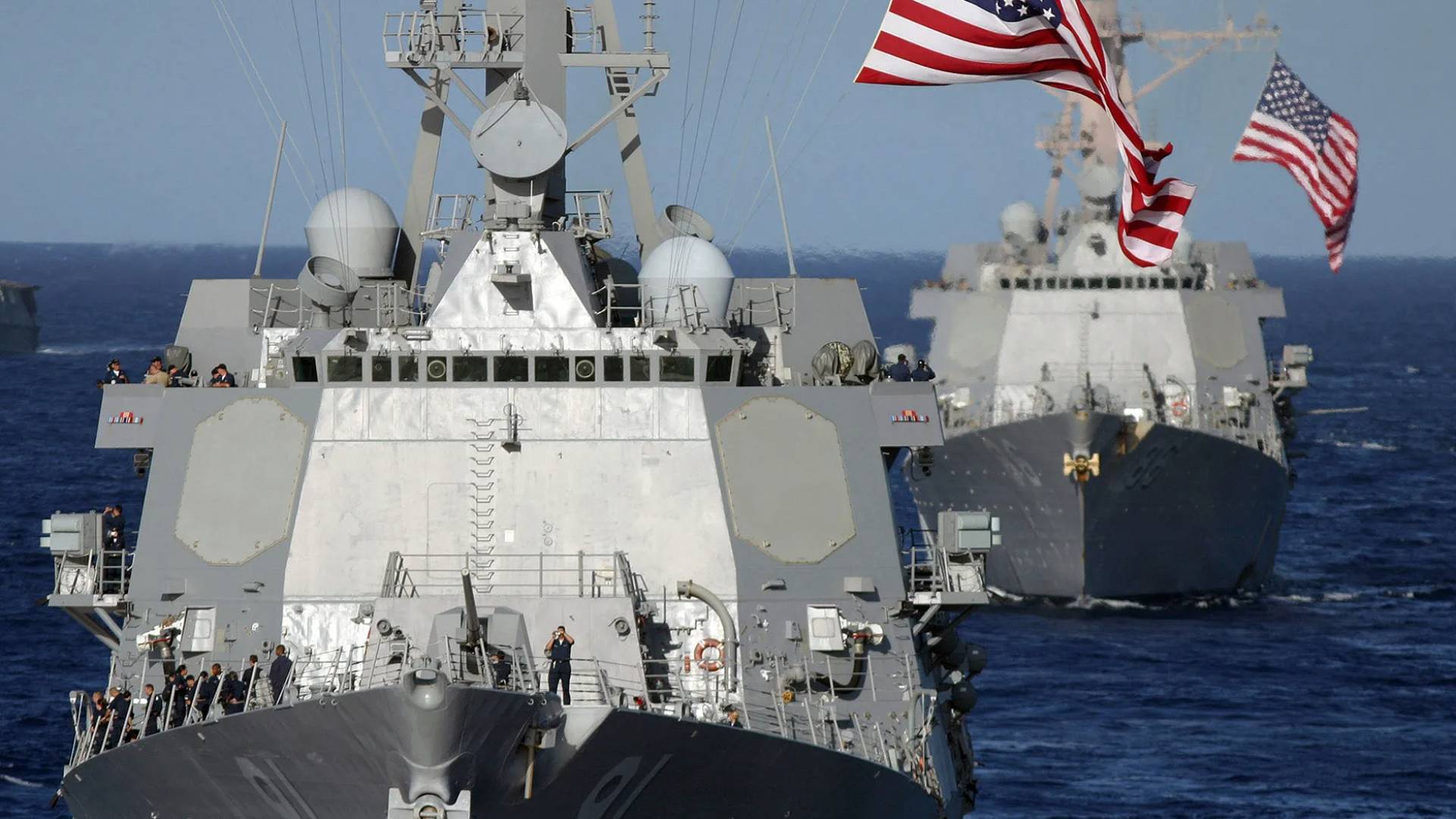
Central Command emphasized that the United States intends to maintain a robust, highly visible naval presence across the region's shipping lanes to safeguard the newly minted diplomatic framework from any potential violations.
"Our great Naval Ships will remain in the general area to make sure that all aspects of the agreement are adhered to, obeyed and in full force and effect," CENTCOM stated in its official briefing.
The strategic pivot to a monitoring posture comes at a vital moment for international trade, directly enabling major regional energy exporters like Kuwait to lift their respective force majeure legal declarations and scale up production benchmarks.
Military analysts note that by maintaining a strong deterrent presence while allowing merchant fleets unhindered access to Iranian waters, CENTCOM is establishing a highly stabilized security environment ahead of the formal bilateral diplomatic negotiations scheduled to commence in Switzerland.


