World leaders react to signing of US-Iran agreement
Note: AI technology was used to generate this article’s audio.
- Global leaders praise the newly signed 14-point US-Iran peace plan as a major diplomatic breakthrough.
- Several Democratic lawmakers in the United States criticize the deal, arguing it favors Iran over American interests.
World leaders have welcomed the official signing of a 14-point peace agreement between the United States and Iran, describing the deal as a significant step toward reducing tensions in the Middle East and improving global stability.
The agreement, formally signed after months of negotiations, has drawn support from governments across Europe, Asia, and the Middle East, with leaders expressing hope that it will help prevent further conflict and ease economic uncertainty.
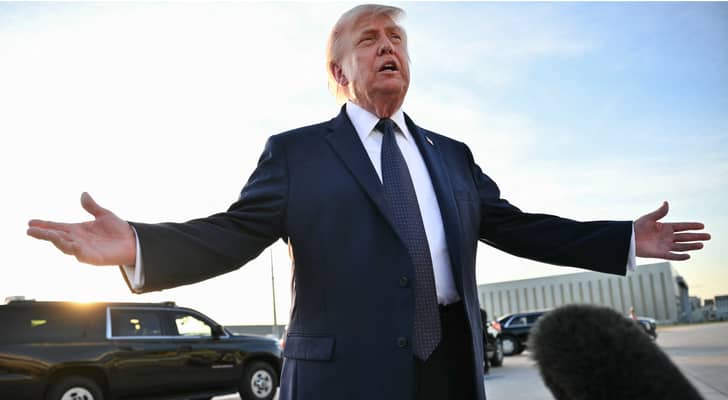
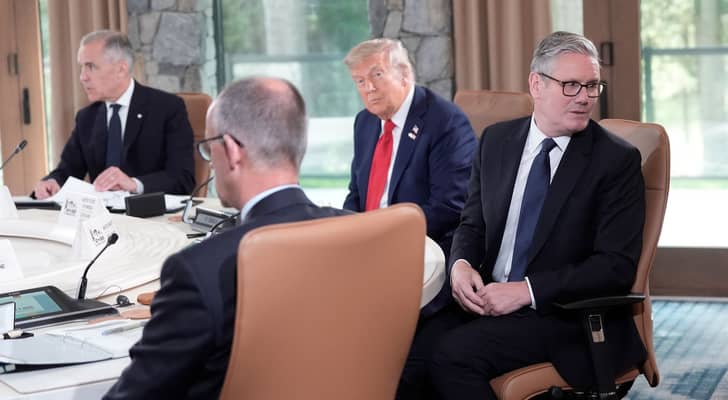
French President Emmanuel Macron praised the accord, saying it "paves the way for lasting peace." Speaking after hosting US President Donald Trump during the G7 summit, Macron said the agreement could contribute to greater regional stability and help lower global energy prices.
China also welcomed the breakthrough. Foreign Minister Wang Yi told his Iranian counterpart during a phone call that the "dawn of peace has arrived," according to Chinese state media. Beijing has repeatedly called for diplomatic solutions to regional disputes and has backed efforts to reduce tensions between Washington and Tehran.
Pakistan, which played a mediation role during the negotiations, endorsed the agreement as an important diplomatic achievement. Prime Minister Shehbaz Sharif said the signing demonstrated both countries' commitment to resolving their differences through dialogue rather than confrontation.
"The signing of this agreement at the highest level of the respective governments demonstrates the commitment of both sides to a diplomatic resolution of the conflict," Sharif said.
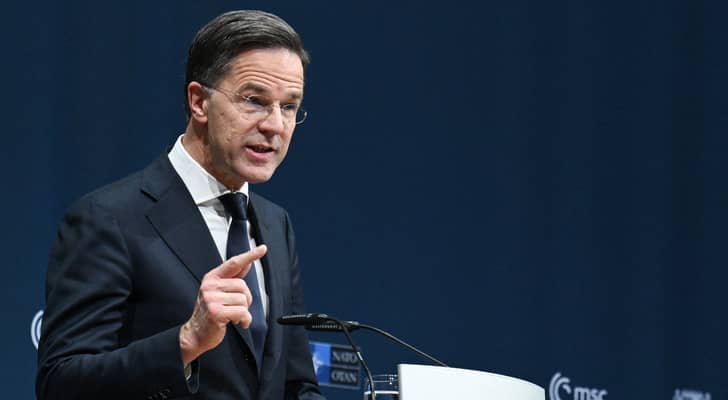
NATO Secretary General Mark Rutte also welcomed the memorandum of understanding, arguing that it would reduce Iran's nuclear capabilities while helping restore freedom of navigation in key international waterways.
Despite the international praise, the agreement has faced criticism from several Democratic lawmakers in the United States.
Senate Minority Leader Chuck Schumer described the deal as a major setback for American interests, arguing that the Trump administration had failed to secure favorable terms.
"This will be regarded as one of the biggest American disasters," Schumer said, adding that President Trump "didn't know how to finish" the conflict.
Senator Elizabeth Warren questioned the benefits of the agreement for American citizens.
"I understand how the Iranians win in this MOU, but I sure don't see how this helps one single American family," Warren told reporters on Capitol Hill.
California Senator Adam Schiff also voiced concerns, describing the accord as "a great deal for Iran and a terrible deal" for the United States. Schiff argued that the memorandum outlines future negotiations but provides limited incentives for Iran to meet the proposed conditions.
The agreement marks a significant diplomatic milestone following a period of heightened tensions between Washington and Tehran. While supporters view the deal as a foundation for long-term stability, critics say its success will depend on future negotiations and the implementation of its provisions.
The coming months are expected to determine whether the agreement can deliver on its promises of reducing regional tensions, strengthening security, and preventing further escalation.