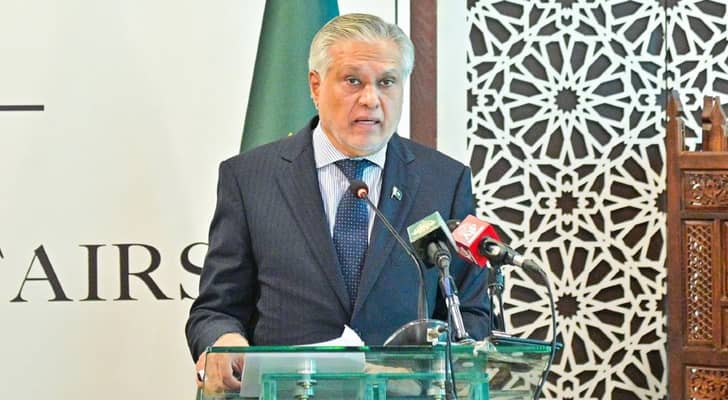
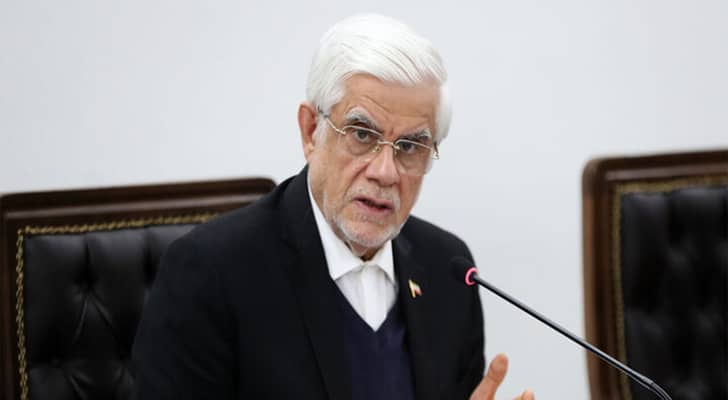
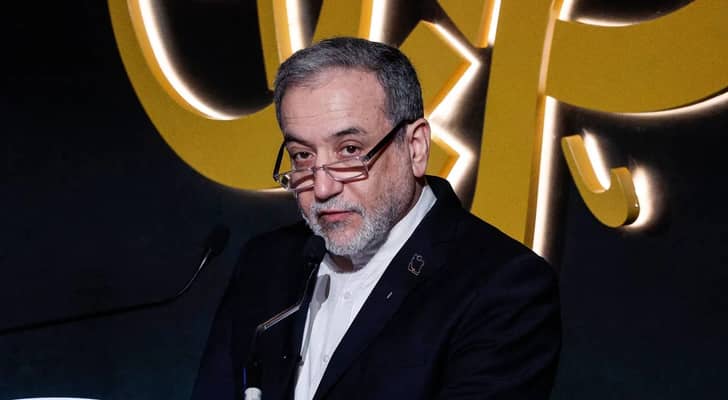
Iranian Foreign Minister Abbas Araghchi

Iran details 14-point framework regarding US agreement
Note: AI technology was used to generate this article’s audio.
- Agreement calls for lifting maritime restrictions and restoring Hormuz shipping
- Framework includes sovereignty guarantees and phased release of Iranian assets
- Tehran says Lebanon ceasefire is essential for talks to proceed
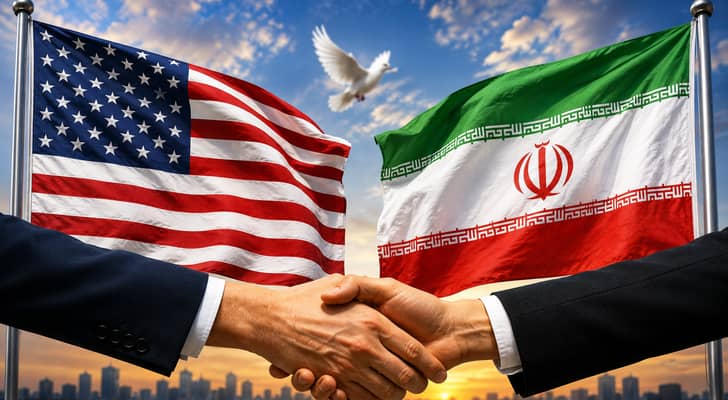
The Iranian Foreign Ministry issued a comprehensive brief on Wednesday, unveiling the explicit structural parameters of the newly brokered 14-point Memorandum of Understanding (MOU).
Spanning just one and a half pages, the strategic framework officially binds both Tehran and Washington to an intensive 60-day negotiation window aimed at securing a final, permanent diplomatic accord, with formal talks scheduled to commence this Friday.
Ministry statement emphasized that the first two foundational clauses of the document are dedicated entirely to establishing the general rules of engagement for the upcoming process.
Under the terms of the baseline text, the United States has formally committed to respecting Iran's sovereign independence and protecting its territorial integrity throughout the lifespan of the peace track.
Sanctions, frozen assets, nuclear roadmap
The upcoming 60-day diplomatic window will focus directly on dismantling the complex architecture of international trade restrictions and addressing Iran's advanced atomic infrastructure.
The Foreign Ministry confirmed that the upcoming rounds will systematically tackle the technical disposition of Iran's enriched nuclear materials, the precise future caps on uranium enrichment levels, and the structural lifting of commercial blockades.
As part of the initial understandings, the US delegation has committed to removing all existing barriers preventing Tehran from reclaiming its frozen financial assets abroad, a matter that has already undergone preliminary technical discussions.
Furthermore, Washington has pledged to execute a comprehensive lifting of all primary and secondary economic sanctions -including multilateral measures previously instituted by the United Nations Security Council- subject to a structured timetable to be finalized during the upcoming sessions.
Concurrently, the agreement mandates an immediate de-escalation of naval hostilities.
The US is required to completely dismantle its maritime blockade and halt all interference with Iranian merchant vessels within a strict 30-day deadline, a directive the ministry noted American forces have already begun actively implementing.
In return, Tehran has agreed to normalize commercial shipping operations.
Over a designated timeframe, Iran will restore standard global traffic patterns through the strategic Strait of Hormuz and clear specific tactical obstacles from the waterway.
The operational administration of the corridor will be managed through a joint partnership between Iran and Oman, with provisions to consult broader regional states as operational necessities arise.
Lebanon, non-negotiable prerequisite
The Foreign Ministry strongly underscored that the stability of the entire diplomatic track rests upon an immediate, verifiable cessation of military hostilites across the Middle East.
The state text notes that Lebanon is explicitly referenced three separate times within the text of the MoU, reflecting its central importance to the regional peace architecture.
"The war must be stopped on all fronts, including Lebanon, for the negotiation phase to begin," the Foreign Ministry statement declared. "One of the specific clauses explicitly confirms that the commencement and continuation of these negotiations remain strictly conditional upon the implementation of reciprocal obligations, foremost among them being a total cessation of the war that includes Lebanon."
Tehran issued a stark warning regarding the continued presence of Israeli forces across the border, asserting that the agreement mandates absolute respect for Lebanese sovereignty.
The ministry stated that any continued 'Israeli' military occupation of Southern Lebanon constitutes a direct, actionable violation of the newly signed MOU, warning that Iran will take all necessary measures to counter ongoing infractions.
Despite the volatile regional backdrop and rising tension over enforcement terms, the Foreign Ministry concluded by confirming that Iran’s diplomatic itinerary remains entirely unchanged.
The state delegation is fully prepared to arrive in Switzerland to commence the first formal session of the 60-day negotiation cycle this coming Friday.