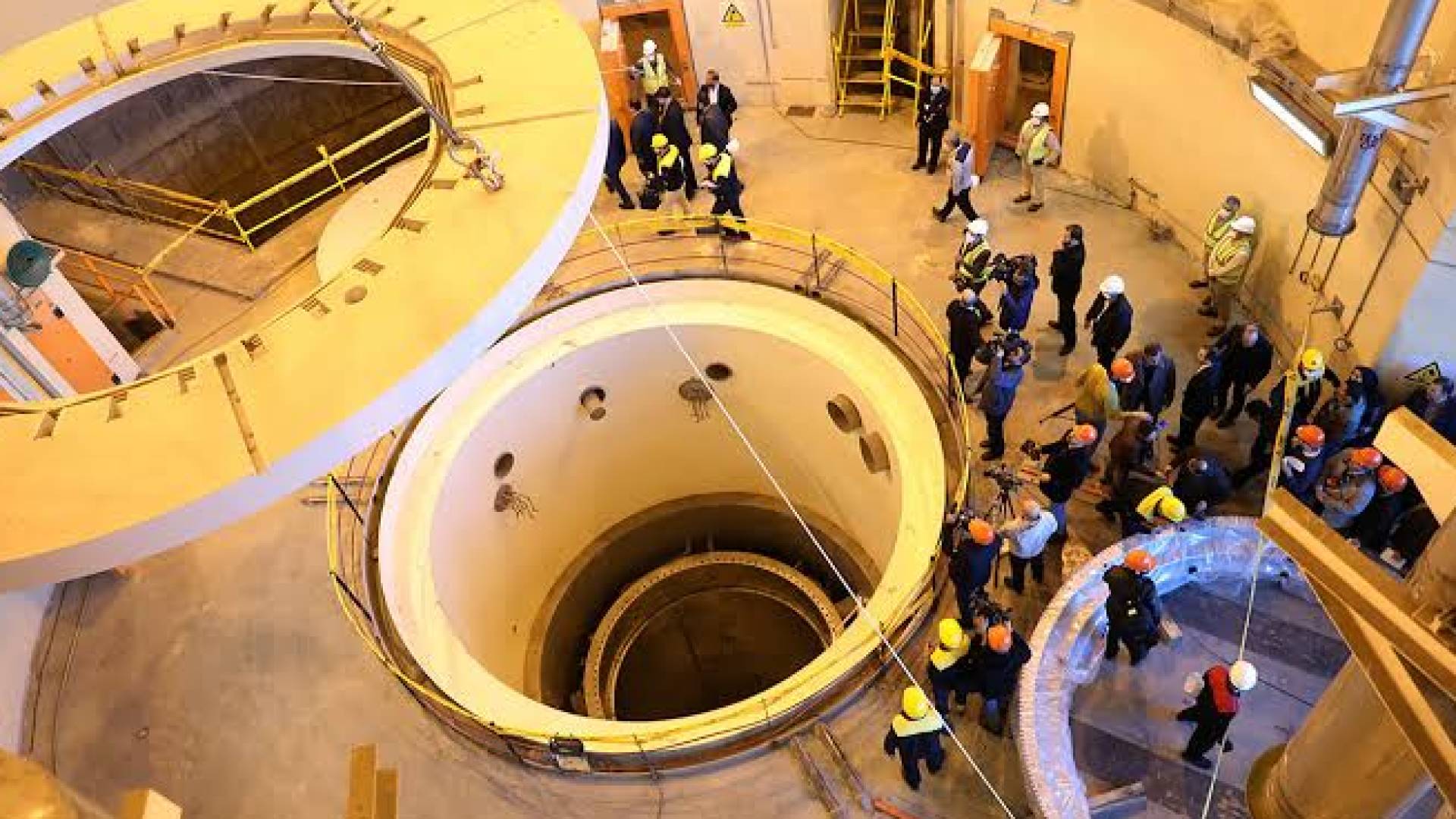
Iran to discuss nuclear file within 60 days after agreement
Note: AI technology was used to generate this article’s audio.
- State media says draft contains no new nuclear concessions
- Tehran insists no changes to current atomic policy
- Initial framework reiterates pledge not to develop nuclear weapons
The Iranian government has firmly outlined its boundaries regarding the impending diplomatic breakthrough with Washington, declaring that the text of the highly anticipated ceasefire memorandum does not impose any immediate restrictions or new commitments on its nuclear infrastructure.
According to reports published by the state-run Islamic Republic News Agency (IRNA), Tehran intends to keep its atomic ambitions entirely separate from the initial diplomatic instrument designed to halt regional warfare.
Official sources clarified that while a framework for future dialogue is being established, Iran's sovereign defense and scientific red lines remain firmly intact.
60-Day countdown to nuclear dialogue
The state news agency revealed that formal, detailed negotiations concerning the future of Iran’s nuclear program are legally scheduled to commence within 60 days of the official signing of the memorandum of understanding.
This multi-stage approach allows the primary document to serve strictly as a mechanism to pause hostilities, lift immediate blockades, and stabilize international trade routes before diving into the technically complex and politically fraught atomic file.
Crucially, Iranian officials emphasized that the current text does not alter the trajectory or legal standing of the country's domestic facilities.
"The general outlines of the current memorandum of understanding do not include any active agreement or consensus regarding the nuclear file at this moment," state media reported, citing senior diplomatic sources. "Iran will not undertake any new obligations, and its peaceful nuclear program will remain unchanged under this initial text."
No new restrictions beyond non-weaponization
Addressing growing domestic and international speculation, the state media briefings repeatedly underscored that the references to the atomic file within the draft agreement are strictly foundational.
Tehran maintains that the language embedded in the text does not subject the country to aggressive spot-inspections or sudden enrichment rollbacks as a prerequisite for the ceasefire.
Instead, the document merely binds Iran to its long-standing public position: a formal pledge to refrain from weaponizing its enriched fissile material.
"The references to the nuclear program in the memorandum of understanding only obligate Iran to its existing stance of not developing nuclear weapons," the state broadcaster affirmed, adding that any further regulatory frameworks will have to be hammered out on an equal playing field during the subsequent 60-day negotiation window.
Domestic enrichment
In a critical update published by state media late Friday, Iran explicitly laid out its mandatory parameters for the upcoming round of talks, signaling a stiff challenge to Washington's "zero enrichment" demands.
The Iranian News Agency stated unequivocally that any future atomic negotiations will be conducted strictly within the boundaries of Tehran's core national principles.
Chief among these non-negotiable red lines is the formal international recognition of Iran's inherent right to peaceful domestic uranium enrichment.
Furthermore, Tehran stipulated that all existing stockpiles of enriched materials must remain physically inside Iranian borders-flatly rejecting back-channel proposals from Western and regional intermediaries suggesting the material be shipped to a third-party country like Russia or blended down as a confidence-building measure.
By anchoring its position early, Iran has signaled to the international community that while it is willing to sign a memorandum to stop the physical fighting, it will not accept unilateral atomic disarmament as the price for peace.