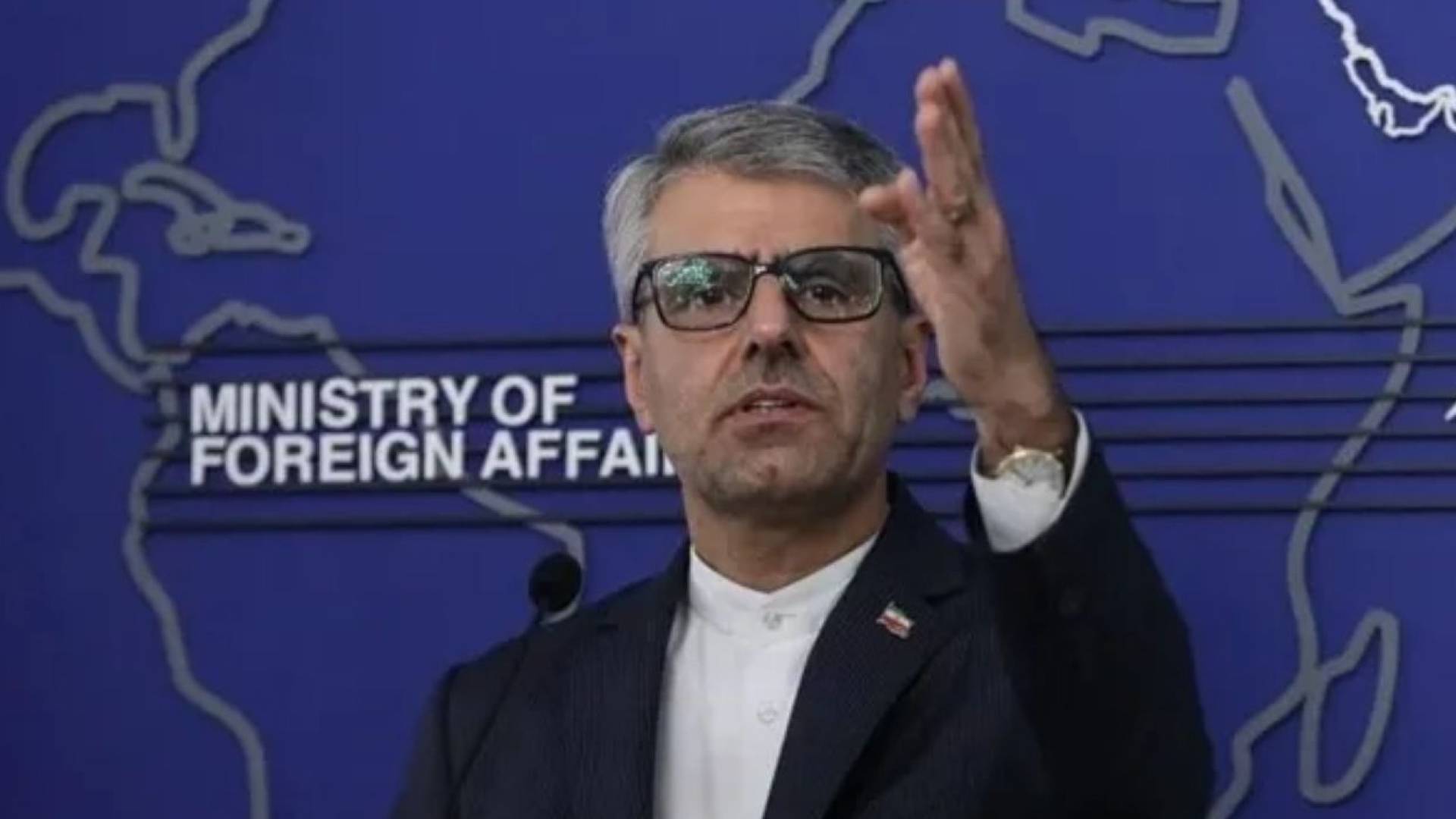
Iranian Foreign Ministry spokesman Esmaeil Baghaei

Iran says US 'contradictory positions' are main obstacle
Note: AI technology was used to generate this article’s audio.
- Dispute grows over release of frozen Iranian assets
- Tehran accuses Washington of ceasefire violations at sea
- US says it is intercepting threats to international shipping
Iran's top diplomatic apparatus has slammed the United States' negotiating strategy, calling Washington's shifting policy positions the primary obstacle to achieving a stable diplomatic breakthrough.
Speaking directly to CNN’s Senior International Correspondent Frederik Pleitgen in Tehran on Sunday, Iranian Foreign Ministry spokesman Esmaeil Baghaei revealed that while the two nations continue to swap backchannel messages via Pakistani mediators, the process has become intensely frustrating.
“The main problem of negotiating with this administration is that you have to face so many changing positions, moving the goalposts, different statements, contradictory remarks by different officials,” Baghaei stated. “So it makes the whole process very cumbersome.”
Battle over frozen billions
At the heart of the diplomatic impasse is Iran's unwavering demand that Washington completely lift its economic sanctions regime and unfreeze billions of dollars in Iranian assets currently locked in foreign banking systems.
Baghaei emphasized that the US must understand it needs to recognize Iran’s international rights, including peaceful nuclear enrichment under the non-proliferation treaty.
“When they are talking about our blocked assets they’re not going to give us any concession,” Baghaei asserted. “They simply need to let Iranian assets be released and be available for the Iranians.”
However, Washington appears to be pivoting toward a harsher financial strategy.
A source familiar with US Treasury Secretary Scott Bessent’s thinking confirmed to CNN that the Treasury Department is actively drawing up plans to repurpose those frozen Iranian assets.
Under the proposed framework, the funds would be diverted to underwrite rebuilding efforts in Gulf countries impacted by Iranian military strikes, as well as covering repairs for past regional damage.
Ceasefire on brink
The economic warfare is mirroring highly dangerous friction on the high seas.
During his interview, Baghaei accused the United States of repeatedly violating the regional ceasefire that went into effect this past April.
“They have been attacking our commercial ships, both in the Strait of Hormuz and in the high seas,” Baghaei claimed, warning that Washington's "reckless approach" has pushed the region into a highly volatile and dangerous state.
The Pentagon, however, maintains a starkly different narrative.
The US military affirmed that its naval assets remain on high alert to defend commercial lanes against persistent "Iranian aggression" in the Gulf.
US forces confirmed they shot down two additional Iranian drones on Saturday night after determining they posed a direct threat to international shipping.
With both sides digging in, the prospects of a diplomatic resolution remain dim.
Baghaei concluded his remarks with a stark warning to Washington, declaring that Iran's armed forces "are steadfast and resolute to respond to any attacks with all force."