

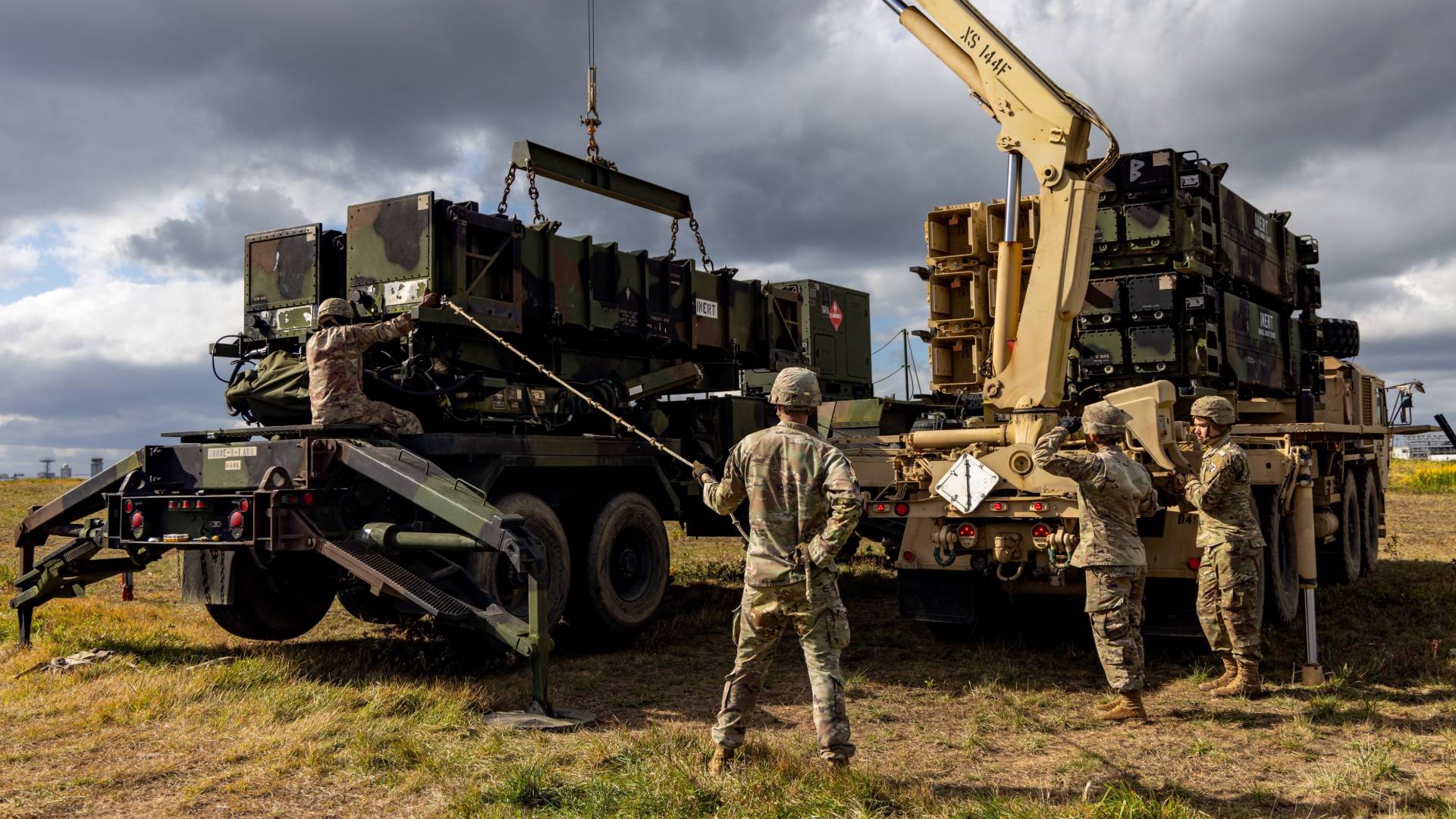
US forces intercepted two Iranian missiles targeted troops in Kuwait
Note: AI technology was used to generate this article’s audio.
US Central Command (CENTCOM) confirmed on Monday that American military assets successfully shot down two Iranian ballistic missiles fired at US personnel stationed in Kuwait.
The high-stakes interception follows a wave of regional alerts regarding cross-border Iranian missile and drone activities.
'Immediately defeated'
According to the official statement released by CENTCOM via X, the active threat emerged late Sunday night at approximately 11:00 p.m. Eastern Time.
Iranian forces launched the ballistic weapons directly toward installations housing American military units.
Last night at 11 p.m. ET, U.S. forces successfully intercepted two Iranian ballistic missiles targeting American forces based in Kuwait. These missiles were immediately defeated and no American personnel were harmed.
— U.S. Central Command (@CENTCOM) June 1, 2026
U.S. Central Command remains vigilant and will continue to…
US air defense batteries immediately engaged the incoming projectiles. "These missiles were immediately defeated and no American personnel were harmed," CENTCOM reported, confirming that the defensive operation prevented any structural damage or troop casualties on the ground.
Commitment to regional defense
The direct missile attack marks a severe spike in tensions between Washington and Tehran, occurring alongside parallel statements from the Kuwaiti Ministry of Foreign Affairs condemning Iranian violations.
Despite the direct targeting of its regional hubs, the Pentagon emphasized its commitment to maintaining the existing geopolitical framework.
"U.S. Central Command remains vigilant and will continue to protect our forces from Iranian aggression while supporting the ongoing ceasefire." - Official Statement from US Central Command.
The defensive deployment highlights a delicate balancing act for the US military, which is actively working to shield its forward-deployed forces while attempting to prevent the collapse of wider regional diplomatic understandings.


