Five heads of 'Israeli' settlements flee amid Hezbollah strikes on northern 'Israel'
Note: AI technology was used to generate this article’s audio.
- 'Israeli' media reports say five heads of 'Israeli' settlements left 'Israel' during intensified cross-border attacks.
- Northern settlement communities face growing disruption as rocket and drone fire from Hezbollah increases.
An 'Israeli' media report has claimed that five heads of local councils in northern 'Israeli' settlements left 'Israel' as tensions escalated along the border with Lebanon and attacks by Hezbollah intensified.
The report, published by the 'Israeli' outlet Walla, said the officials travelled abroad during what it described as one of the most sensitive security periods in the north, where rocket fire and drone launches have increased in recent days.
According to the report, the officials represent settlement communities located within what it described as direct threat zones near the Lebanese border.
It claimed that several of them are currently in cities including New York, Berlin, and Athens, with some travelling for official visits or previously scheduled trips.
Among those named, the report said settlement leaders from the western Galilee and border-adjacent areas were abroad during the escalation.
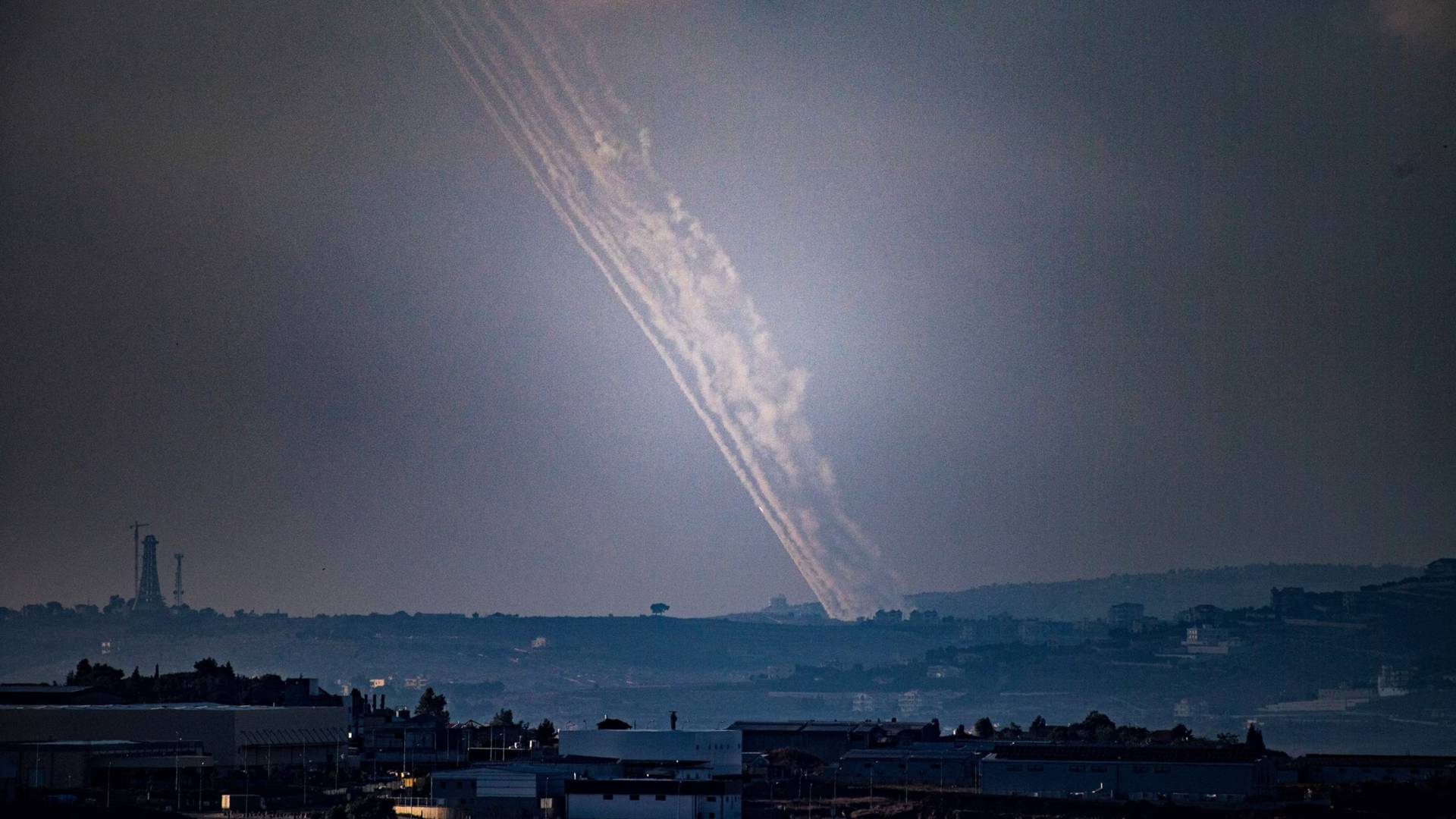
The report comes as northern areas of 'Israel' continue to face repeated rocket launches and drone attacks from Hezbollah, according to military statements cited in local media.
The 'Israeli' army has reported interceptions of projectiles in several northern locations, including Safed, as sirens sounded across multiple communities near the border.
Footage circulated by international agencies showed interception activity over northern towns, underscoring the continued volatility along the frontier.
The Walla report also criticised the absence of senior municipal figures from their communities during a period of heightened security pressure, arguing that local leadership should be physically present to coordinate emergency responses and support residents.
However, responses cited in the report said some of the trips were pre-planned or family-related, while others involved ongoing remote monitoring of the security situation.
Since the escalation of cross-border hostilities, northern settlement communities in 'Israel' have experienced sustained disruption, including evacuations, damaged infrastructure, and repeated security alerts.
The situation continues to develop as exchanges of fire persist across the border, with no clear timeline for de-escalation.