US President Donald Trump


Trump to hold cabinet meeting at Camp David over Iran
Note: AI technology was used to generate this article’s audio.
- Full cabinet expected despite weather concerns.
- Officials to review economy, fraud, voter issues.
- Iran tensions likely to dominate talks.
US President Donald Trump is scheduled to make a rare journey to the Camp David presidential retreat in rural Maryland this Wednesday to lead a high-stakes cabinet meeting.
The strategic session comes at a pivotal moment as international peace negotiations with Iran enter a highly critical phase.
The high-level gathering will feature full attendance from the administration's executive leadership, including outgoing Director of National Intelligence Tulsi Gabbard.
However, White House officials noted that the logistics of the trip remain contingent on weather conditions.
While Trump customarily travels to the heavily secured Maryland retreat via helicopter, Washington, D.C., has been hit by a prolonged period of heavy rainfall in recent days, which could ultimately compel officials to change the meeting venue or cancel the flight entirely.
Reviewing domestic victories
According to a White House official, the primary agenda presented to the cabinet will showcase a series of key domestic and regulatory milestones achieved by the executive branch.
"Officials will discuss recent successes of the administration including economy and small business wins, Task Force to Eliminate Fraud highlights, and foreign policy updates." The White House official stated.
The administration is intentionally utilizing the high-profile session to sharpen its focus on economic affordability and household financial matters.
Highlighting these core legislative priorities is a key component of the administration's political strategy to directly address the primary concerns of the electorate ahead of the upcoming November midterm elections.
Iran tensions set to dominate
Despite the domestic economic focus, the geopolitical crisis in the Middle East is anticipated to thoroughly dominate the cabinet's conversations.
The strategic landscape darkened considerably following unannounced overnight military operations, during which the United States conducted targeted airstrikes against several military positions located in the south of Iran.
The kinetic engagement has triggered immediate geopolitical blowback.
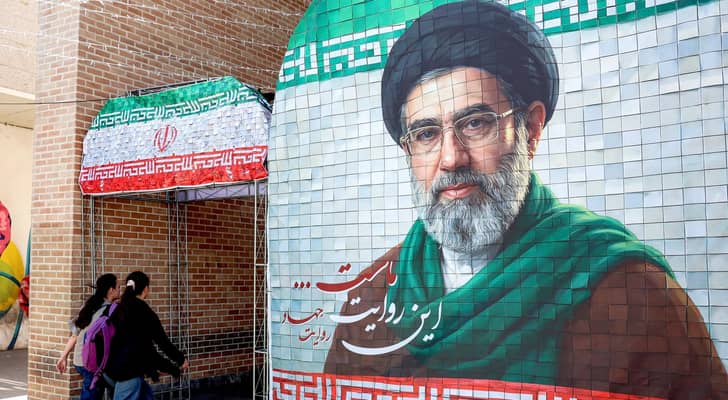
In the direct aftermath of the American bombardment, Iranian Supreme Leader Mojtaba Khamenei issued an explicit warning, threatening US military bases stationed across the Middle East.
The direct military exchange and subsequent hostile rhetoric have effectively thrown the ongoing peace track into a state of extreme urgency, leaving administration officials to navigate a dual track of aggressive deterrence and delicate diplomacy as the cabinet meets at the presidential retreat.