'Israeli' settlers force Palestinian family to exhume elderly man’s body in Jenin area
Note: AI technology was used to generate this article’s audio.
-
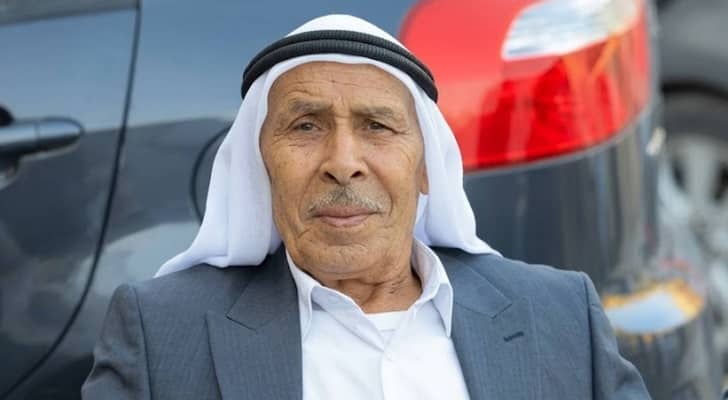
'Israeli' settlers forced a Palestinian family in the Jenin area to exhume and relocate the body of 85-year-old Hussein Asas’a just hours after his burial, according to local reports.
A Palestinian family in the village of al-Asa’sa, south of Jenin in the occupied West Bank, was forced to exhume the body of their deceased relative, 85-year-old Hussein Asas’a, and relocate his burial just hours after he was laid to rest, according to local reports.
The incident began during the funeral procession, when 'Israeli' settlers from the nearby settlement of “Sanur” attacked mourners with stones and damaged vehicles despite the presence of 'Israeli' forces in the area. The confrontation escalated later, with settlers digging up the newly dug grave, while 'Israeli' soldiers prevented residents from intervening to protect the burial site.
According to Palestinian reports and local media, the settlers demanded that the body be removed immediately, claiming the cemetery’s proximity to the outpost of “Tarsala” justified the action. Under pressure, seven young men from the family were forced to transfer the body for reburial in the nearby village of Fandaqumiya.
The incident has sparked widespread condemnation. The UN Office of the High Commissioner for Human Rights in Palestine described the event as “horrific,” saying it reflected a broader pattern of dehumanization of Palestinians. It noted that the family had obtained official permission for the burial earlier that day in a cemetery located around 300 meters from the rebuilt Sanur settlement, which was re-established in 2025.
'Israeli' media, including Channel 12, reported on the incident and quoted the 'Israeli' military as condemning any violation of the dignity of the dead. However, Palestinian commentators highlighted what they described as a contradiction between this statement and the protection afforded to settlers during the incident.
The event has also drawn strong political reactions. Palestinian lawmaker Ahmad Tibi compared the treatment of the funeral to historical acts aimed at humiliating communities, arguing that prior coordination for the burial did not prevent soldiers from allowing the incident to unfold.
Writer Ahmad Nazzal said the case reflected the deep distress faced by Palestinian families, adding that even burial has become uncertain amid expanding settlements, leaving relatives to endure an additional layer of suffering beyond their loss.