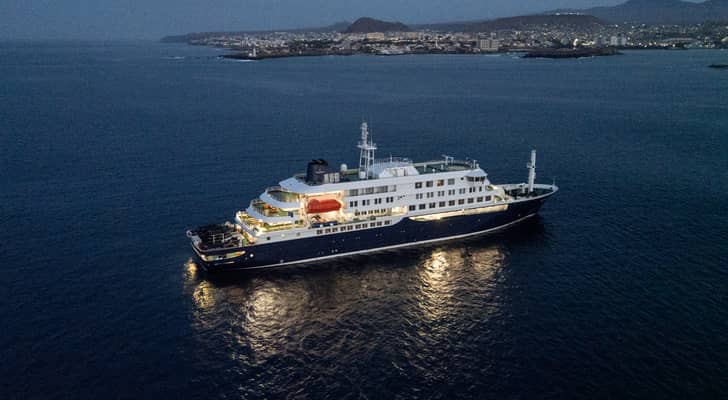
What is Andes Virus: The only Hantavirus with documented human-to-human transmission
Note: AI technology was used to generate this article’s audio.
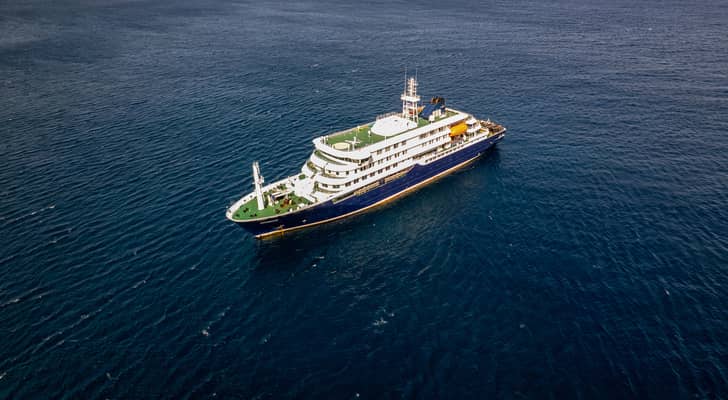
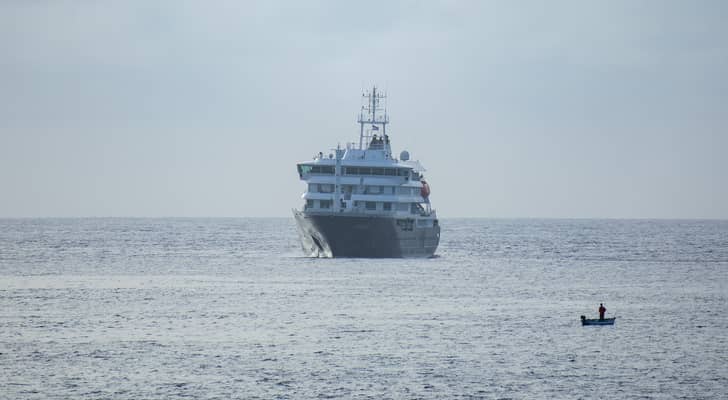
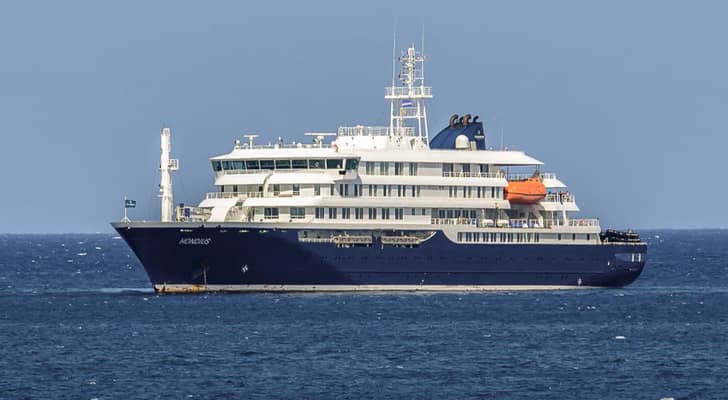
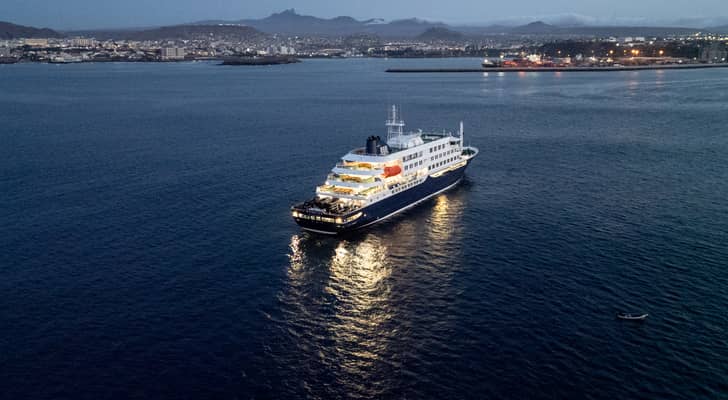
The Andes virus, a species of hantavirus (Orthohantavirus andesense), has been identified as the cause of a cluster of severe respiratory illnesses aboard the Dutch-flagged MV Hondius cruise ship.
This marks a notable incident involving potential human-to-human transmission of the virus, which is primarily associated with South America.
Hantaviruses are rodent-borne viruses that typically infect humans through inhalation of aerosolized urine, droppings, or saliva from infected rodents.
The Andes virus, endemic in regions such as Argentina and Chile, causes hantavirus pulmonary syndrome (HPS), characterized by initial flu-like symptoms followed by rapid onset of severe respiratory distress and potential cardiovascular complications.
It can rapidly progress to severe respiratory distress, pulmonary edema, and cardiovascular complications, with case fatality rates ranging from 30% to 50%.
The incubation period for Andes virus infection generally ranges from 7 to 39 days, with a median of approximately 18 days - it can extend up to six weeks in some cases.
Infectivity appears highest on the first day of symptom onset, particularly during the prodromal phase, with transmission linked to close contact during this early symptomatic period.
No specific vaccine or antiviral treatment exists. Prevention centers on avoiding contact with rodents and their excreta.
In endemic areas, seal homes against rodents, use gloves and masks when cleaning droppings, and avoid sweeping or vacuuming contaminated areas to prevent aerosolization.
For human-to-human risk, standard infection control measures—such as isolation, hand hygiene, and personal protective equipment—are effective.
Unlike most hantaviruses, the Andes virus is the only strain with documented, though limited, human-to-human transmission.
This occurs primarily through close and prolonged contact, as observed in prior outbreaks in Argentina.
Health authorities suspect this capability may have contributed to the spread among passengers on the confined cruise ship environment.
The MV Hondius departed from Ushuaia, Argentina, in early April 2026 for an expedition cruise. As of early May 2026, reports indicate at least seven to eight confirmed or suspected cases, including three deaths.
Laboratory testing in South Africa and elsewhere confirmed the Andes virus in affected passengers. Several individuals have been medically evacuated for treatment.
The World Health Organization (WHO) and other authorities, including the ECDC, have stated that the risk to the general public remains low.
The ship, carrying approximately 147 people from multiple countries, is en route to Tenerife, Spain, under isolation protocols, with contact tracing underway for passengers who have disembarked.
Investigations continue into the initial source of exposure, potentially linked to rodent contact during shore activities, amid an ongoing Andes virus situation in parts of Argentina.
No evidence of widespread community transmission has been reported.