UNESCO

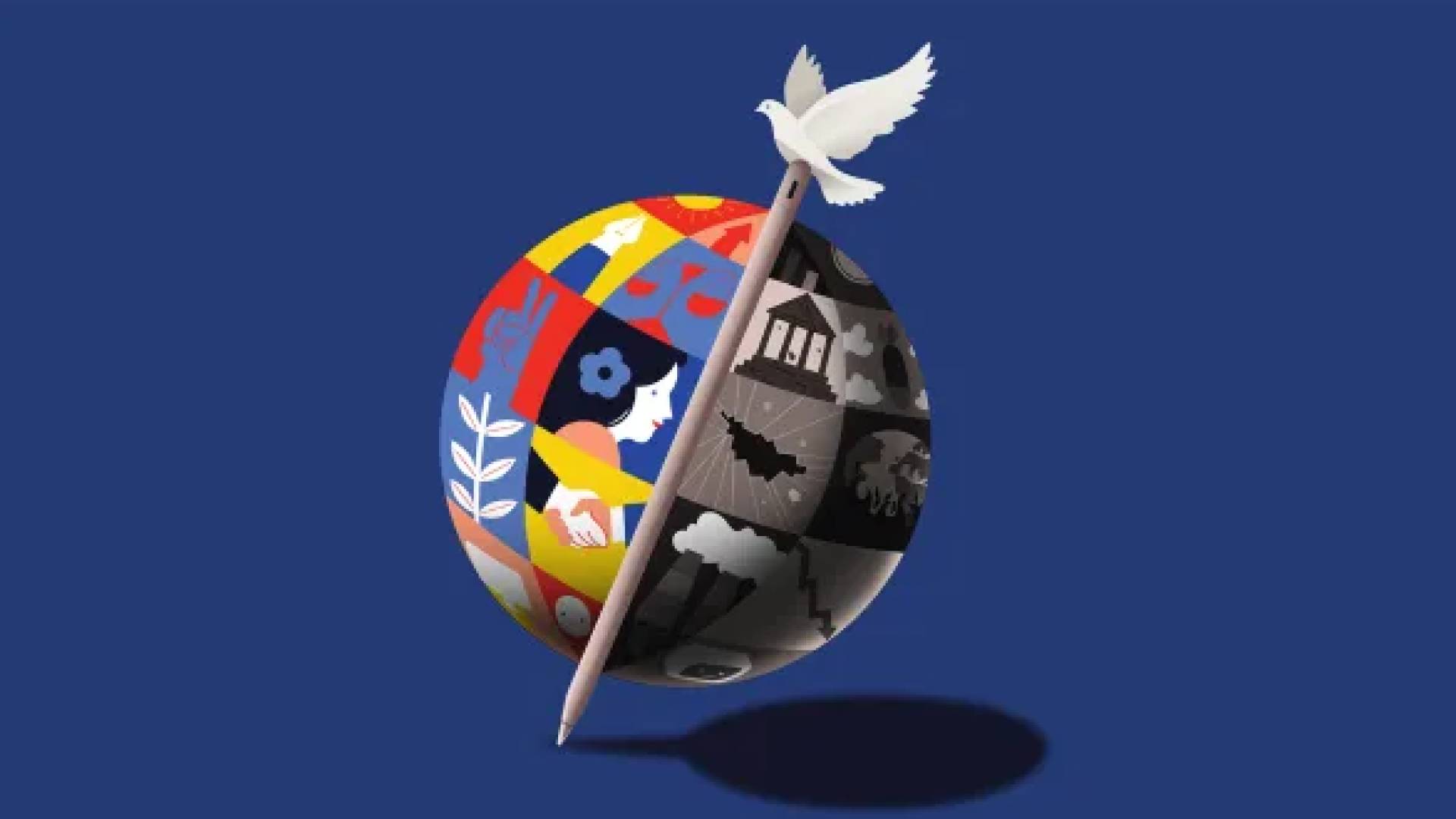
Press freedom under strain as world marks World Press Freedom Day
Note: AI technology was used to generate this article’s audio.
- Global observance highlights mounting pressures on journalism.
Jordan, alongside the international media community, marks World Press Freedom Day on Sunday, May 3, 2026, at a time when journalism is facing what UNESCO describes as unprecedented pressures on free expression and access to information.
This year’s commemoration comes amid growing concern over the state of press freedom globally, following a UNESCO report that warns of a “historic slide” in freedom of expression, comparable only to periods of world wars and the Cold War.
UNESCO report warns of sharp global decline
The report documented a significant deterioration in media freedom between 2022 and 2025, including a 10% drop in the global freedom of expression index.
It also recorded a rise in self-censorship among journalists, reaching 63%, reflecting increasing pressure on media professionals in the field.
According to the findings, influence over media institutions by powerful actors increased by 48%, contributing to a 37% decline in academic and artistic freedoms, further restricting editorial independence.
Rising toll on journalists
The human cost of reporting has also increased sharply. The report states that 310 journalists were killed between early 2022 and September 2025, including 162 who died while covering armed conflicts.
Beyond physical violence, journalists, particularly women, have faced growing digital threats. In 2025, 42% of female journalists reported that online harassment escalated into real-world threats or attacks.
Disinformation and AI reshape media landscape
The report highlights growing concerns over disinformation and hate speech during what it describes as a “global election marathon” in 2024, which included 72 countries.
A global survey found that nine in ten respondents were concerned about misinformation affecting democratic processes.
The rise of artificial intelligence is also reshaping the industry, with around 40% of content now produced or assisted by AI systems. While improving efficiency, the report warns this trend risks sidelining professional journalism in favour of algorithms that may produce biased or inaccurate information.
Signs of resilience in media sector
Despite the challenges, UNESCO noted several positive developments, including the expansion of investigative journalism and cross-border media collaborations.
The report also highlighted improved access to digital information, with 1.5 billion additional people gaining online access to news and information in recent years.
In addition, 140 countries have reaffirmed legal commitments guaranteeing access to information, strengthening transparency and accountability in both developing and developed states.
UNESCO calls for sustainable support to journalism
From Lusaka, Zambia, UNESCO launched an international appeal calling for sustainable funding to support independent journalism, warning that weakened media systems increase the risk of corruption.
UNESCO Director-General Khaled El-Enany said accurate information is a “pillar of peace,” urging governments to invest in newsrooms as the “last line of defence” against digital manipulation.
He noted that the global cost of supporting journalism is equivalent to just 15 days of worldwide military spending, stressing that strengthening the media is essential for safeguarding democratic systems.