Trump says 'not satisfied' with new peace proposal from Iran
Note: AI technology was used to generate this article’s audio.
- US President Donald Trump says he is “not satisfied” with a new Iranian peace proposal amid stalled negotiations.
- Talks remain frozen despite a ceasefire, with Washington and Tehran exchanging competing demands.
US President Donald Trump has said he is “not satisfied” with a new peace proposal submitted by Iran, as diplomatic efforts to end months of conflict remain stalled despite a continuing ceasefire.
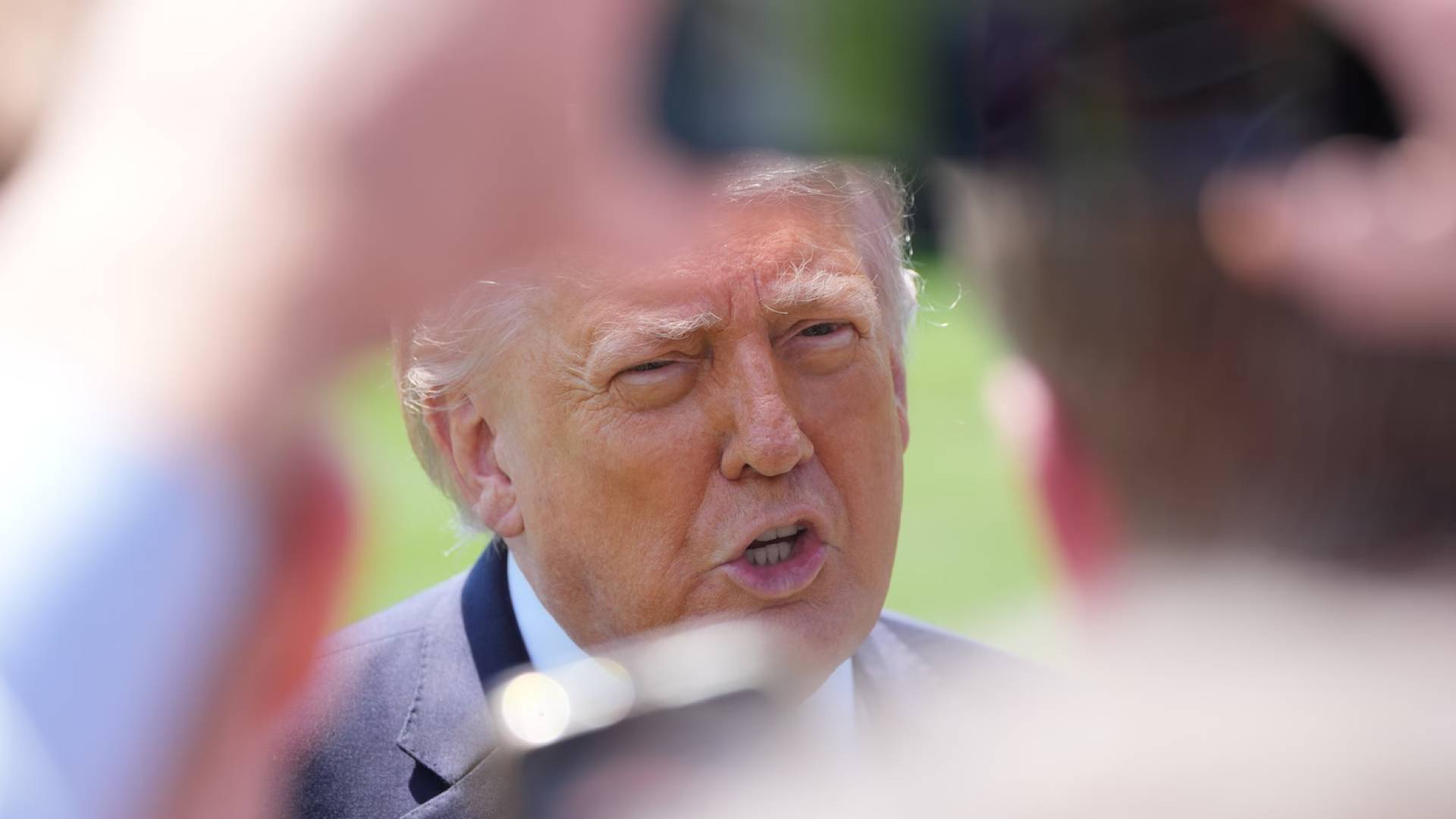
Speaking to reporters at the White House, Trump said the latest Iranian offer fell short and blamed “tremendous discord” within Iran’s leadership for the lack of progress in negotiations.
According to Iran’s state news agency IRNA, Tehran delivered the text of its proposal to mediator Pakistan, though details of the plan were not disclosed publicly.
The development comes as both sides remain unable to restart meaningful negotiations beyond an initial failed round of direct talks.
Trump said the United States faced difficult choices moving forward.
“Do we want to go and just blast the hell out of them and finish them forever or do we want to try and make a deal?” he said, adding he would “prefer not” to pursue military escalation “on a human basis.”
The conflict, which began with a wave of strikes on 28 February involving the United States and Israel, has been paused under a ceasefire since 8 April, though tensions remain high.
Iran has maintained pressure on maritime routes, including the Strait of Hormuz, while the United States has imposed countermeasures targeting Iranian ports and financial channels.
Iranian judiciary chief Gholamhossein Mohseni Ejei said the country “has never shied away from negotiations” but rejected what he described as imposed conditions, signaling resistance to external pressure while avoiding a return to war.
The White House has not disclosed details of the latest proposal.
However, reports from Axios suggest US envoy Steve Witkoff submitted amendments addressing Iran’s nuclear programme, including restrictions on enriched uranium at previously bombed sites and limits on restarting related activity during negotiations.
Iranian Foreign Minister Abbas Araghchi has previously indicated Tehran’s willingness to engage in diplomacy, but only if Washington changes its approach.
Oil prices briefly fell following reports of the Iranian proposal but remain significantly higher than pre-war levels due to ongoing disruption in the Strait of Hormuz.
At the same time, the European Union’s foreign policy chief Kaja Kallas has reportedly held discussions with Iranian officials on efforts to reopen key shipping routes.
The stalled negotiations have intensified political debate in Washington over war powers and congressional oversight, with legal questions emerging about presidential authority during the ongoing conflict.
Trump has defended his administration’s position, arguing that the ceasefire pauses any legal deadlines tied to congressional approval requirements.
The US has expanded sanctions targeting Iranian financial networks and warned shipping firms over payments linked to passage through the Strait of Hormuz.
Meanwhile, economic pressure inside Iran is reportedly rising, with inflation accelerating amid prolonged sanctions and trade disruptions.