

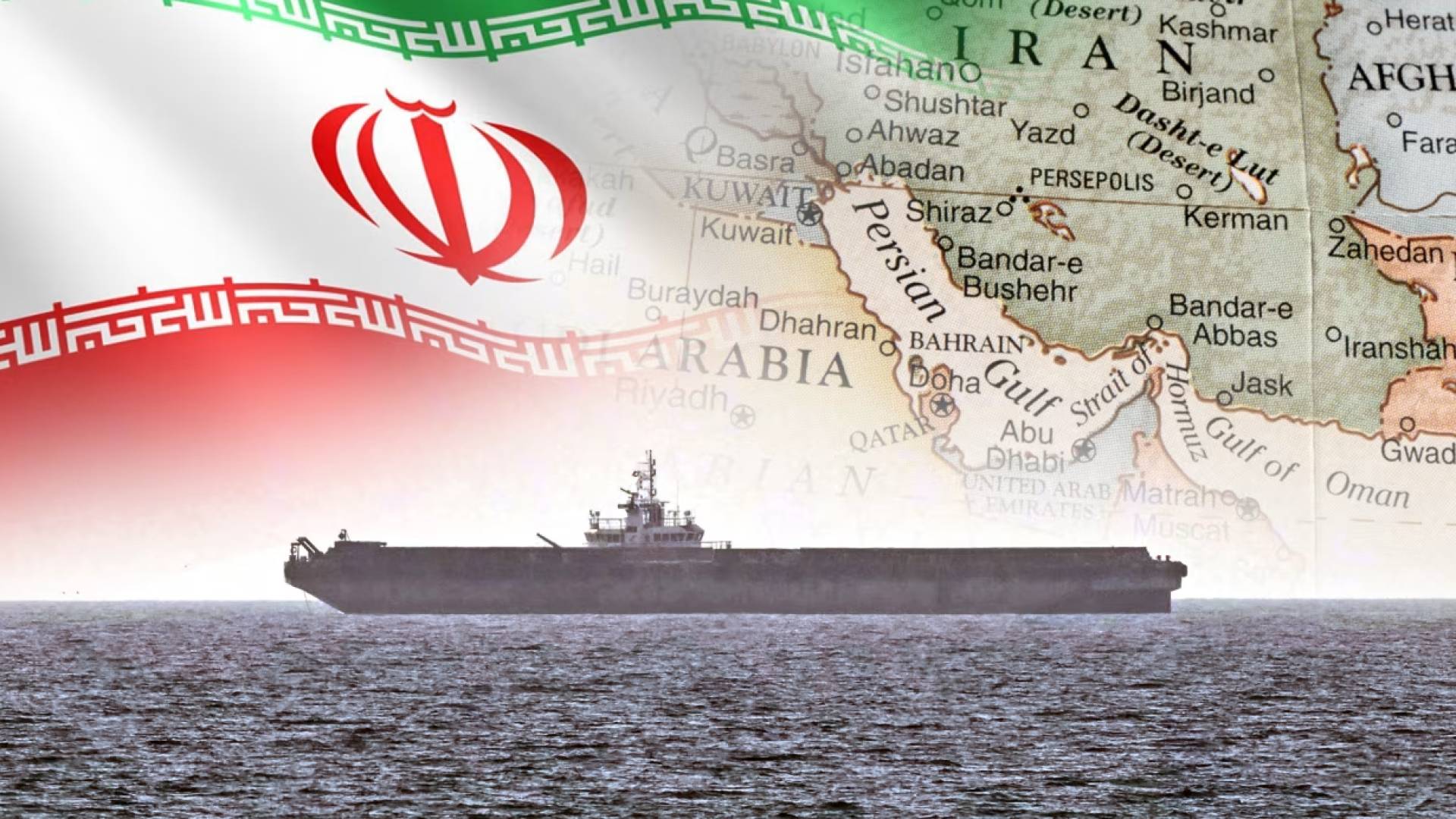
Day 52 | US Navy fired on and seized Iranian-flagged vessel in the Gulf of Oman
The 2026 Iran War began on February 28, when the United States and ‘Israel’ launched a large-scale attack on Iran, unleashing nearly 900 airstrikes within 12 hours on the Islamic Republic’s missile systems, air defenses, nuclear facilities, military bases, and leadership targets.
The assault followed years of shadow conflict, including direct missile exchanges in 2024 and a limited 12-day war in 2025 that damaged Iran’s nuclear and ballistic capabilities.
Supreme Leader Ayatollah Ali Khamenei and senior officials were killed in the opening strikes. Iran responded within hours, launching waves of ballistic missiles and drones at ‘Israel’, US bases, and targets across the Gulf.
On April 8, the United States, Iran, and ‘Israel’ agreed to a temporary two-week ceasefire, brokered by Pakistan, with Iran committing to reopen the Strait of Hormuz while negotiations continue toward a broader agreement.
The fragile truce has since come under strain, particularly as ‘Israel’ launched major bombardments in Lebanon and clashes with the Iran-backed group Hezbollah intensified.
Here’s the latest updates:
- US President Donald Trump said Sunday that US forces intercepted an Iranian-flagged cargo ship in the Gulf of Oman after it allegedly attempted to breach a US naval blockade.
- Trump Signals Imminent Deal: President Trump stated on April 16 that the US is "very close" to a deal, claiming Iran has agreed to "almost everything." He has even floated the possibility of traveling to Pakistan, the primary mediator, to sign a final agreement.
- The "$20 Billion for Uranium" Swap: Discussions have centered on a high-stakes proposal where Iran would hand over its entire enriched uranium stockpile (reportedly around 440 kg) in exchange for the release of $20 billion in frozen funds.
- Key Sticking Points: While Trump is optimistic, Iranian officials have called the total handover of uranium a "non-starter." Disagreements remain over the length of an enrichment pause, with the US demanding 20 years and Iran offering 3–5 years.
- Hormuz Closed Again: After a brief 24-hour reopening on April 17, Iran re-closed the Strait of Hormuz on Saturday, April 18. Tehran cited the continued US naval blockade as a violation of the spirit of the truce.
- Contradictory Sea Rules: The situation is volatile; while Iran briefly declared the Strait "open" to commercial traffic, the US naval blockade remains in "full force." Since the blockade began on April 13, CENTCOM has intercepted at least 23 vessels.
- Economic Pressure: The blockade is costing Iran an estimated $400 million per day in revenue. Experts warn that if the blockade isn't lifted by April 26, Iranian oil wells may suffer permanent damage due to overflow.
- 10-Day Ceasefire Holding: The US-brokered ceasefire between ‘Israel’ and Lebanon, which began on April 16, is largely holding despite high tension.
- Oil Price Volatility: Oil prices initially plummeted by 11% (US Crude to ~$83) on Friday following the brief reopening of the Strait. However, prices are expected to face renewed upward pressure following Iran's Saturday decision to re-close the waterway.
Thread ended
This live thread has ended. Follow our online coverage of day 43 of the war, as US–Iran ceasefire enters last 24 hours amid uncertainty over extension.
Read more: Day 53 | US–Iran ceasefire enters last 24 hours amid uncertainty over extension
“Ceasefire violations” by US an obstacle to continuing talks: Iran foreign ministry
Iran said that the United States “continued violations of the ceasefire” are a major obstacle to continuing the ceasefire talks.
The statements, by Iran’s Foreign Ministry, came during a phone call between the Islamic Republic’s FM and his Pakistani counterpart Ishaq Dar.
Iran will decide on pursuing the diplomatic path after “considering all factors,” the statement added.
Pakistan received “positive signal” from Iran on planned talks with US: Reuters
Pakistan received a "positive signal” from Iran, and is confident it can get the Islamic Republic to attend the talks with the United States, according to Reuters citing a senior Pakistani government official.
"We have received a positive signal from Iran. Things are fluid but we are trying that they should be here when we start the talks tomorrow or a day after," the source said to Reuters.
Trump thanks Iran for “hundreds” of oil ships heading toward US
US President Donald Trump thanked Iran on Monday for what he claimed are hundreds of ships heading towards the United States to get their oil, amid the ongoing blockade of the Strait of Hormuz by Iran and the siege of Iranian ports by the US military.
“The Iranian leadership has forced hundreds of Ships toward the United States, mostly Texas, Louisiana, and Alaska, to get their Oil — Thank you very much!” Trump said on Truth Social.
VIDEO - Macron decries blocking Strait of Hormuz as “mistake on both sides”
French President Emmanuel Macron denounces the blockade of the Strait of Hormuz as "a mistake on both sides".
"It is likely that, following the American decision to maintain a targeted blockade on Hormuz... the Iranian authorities changed their initial position... this is a mistake on both sides," Emmanuel Macron tells journalists in Gdansk, Poland.
Trump says will not lift Hormuz blockade until deal with Iran
President Donald Trump on Monday said the United States would not lift its blockade of Iranian ports until Tehran had agreed a peace deal to end the war.
"THE BLOCKADE, which we will not take off until there is a 'DEAL,' is absolutely destroying Iran," Trump said on social media. "They are losing $500 Million Dollars a day, an unsustainable number, even in the short run."
Traffic has again seized up in the Strait of Hormuz as both Tehran and Washington impose separate blockades.
One more day: Trump tells Bloomberg Iran truce expires Wednesday evening
US President Donald Trump told Bloomberg in a phone interview that the two-week ceasefire with Iran will expire on Wednesday night, Washington time.
The US-Iran truce was announced on April 7, which makes it expire on Tuesday evening, Washington time.
Trump appears to have added one more day to buy more time for negotiations, as he said earlier today that the US delegation led by Vice President JD Vance has travelled to Islamabad, Pakistan to participate in talks.
Iran said it had yet to decide whether to attend a new round of peace negotiations with the United States on Monday, casting more uncertainty.
“Mossad spies”: Iran executes two as judiciary vows “no leniency”
- Mohammad Masoom Shahi (38) and Hamed Validi (45) were hanged at dawn in Karaj prison after being convicted of spying for ‘Israel's’ Mossad.
- The NCRI and Norway-based Iran Human Rights condemned the "absurd" charges, asserting the men were tortured following their 2025 arrests.
Iran on Monday executed two members of opposition group the People's Mujahedin (MEK) who were convicted of spying for ‘Israel’, with the judiciary chief warning of "no leniency".
Mohammad Masoom Shahi, 38 and also known as Nima, and Hamed Validi, 45, were put to death at dawn in Karaj prison outside Tehran, the MEK's political wing the National Council of Resistance of Iran (NCRI) said in a statement.
They were both members of the MEK, which is banned in Iran, it added.
The hangings were the latest of detainees regarded as political prisoners by rights groups during the war between the Islamic republic and the United States and ‘Israel’.
Since executions resumed in March during the war that erupted on February 28, Iran has executed eight members of the MEK and seven men convicted over protests in January.
"With today's executions, at least 15 political prisoners have been executed since 19 March," said Mahmood Amiry Moghaddam, director of Norway-based rights group Iran Human Rights.
He warned of “further executions of political prisoners and protesters in the coming days and weeks.”
"The two members of the MEK join a growing number of heroic members executed this month under the rule of religious dictatorship," the group's leader Maryam Rajavi wrote on X.
"Their only 'crime' was their commitment to freedom and the liberation of their people," she added.
“Central demand”
The judiciary's Mizan Online website said the two men were "members of a spy network linked to Mossad", the intelligence service of ‘Israel’.
They were convicted of the capital offence of "moharebeh", meaning waging war against God, as well as "collaboration with hostile groups and the Zionist regime", Mizan said.
The NCRI described the accusations against the men as "absurd". It said they were arrested in May 2025, well before the current war or ‘Israel's’ 12-day war against Iran in June, "subjected to interrogation and torture".
Iranian authorities on March 18 also executed a dual Iranian-Swedish national on charges of spying for ‘Israel’.
The latest hangings came as the Iranian judiciary chief Gholamhossein Mohseni Ejei -- one of the most high-profile figures to have survived the war so far -- issued a new warning to those who "cooperate with a hostile aggressor".
"Those who engage in assassination and espionage, who carry out other disruptive acts, send images and videos to the enemy, or engage in online activities, propaganda and spread falsehoods in support of the enemy's illegitimate interests -- all fall within the same framework," he said.
"All such cases will be dealt with firmly and without leniency," he said, quoted by Mizan.
Iran is the world's second most prolific executioner after China, according to rights groups based outside the country, which accuse the Islamic republic of using capital punishment as a tool to instil fear throughout society.
Iranian authorities executed at least 1,639 people in 2025, the highest number since 1989, IHR and Paris-based Together Against the Death Penalty (ECPM) said in a joint report last week.
With a second round of peace talks between Iran and the United States possible in the coming days, Amiry Moghaddam added: "A complete halt to all executions and the release of political prisoners must be a central demand in any agreement with the Islamic republic."
Lebanon state media reports ‘Israeli’ drone strike in south
Lebanese official media said an ‘Israeli’ strike hit a town in the country's south on Monday despite a 10-day ceasefire in force between ‘Israel’ and Iran-backed group Hezbollah.
The state-run National News Agency said that "an enemy drone targeted the vicinity of the Litani River in the town of Qaqaiyat al-Jisr", without immediately reporting casualties.
Under the ceasefire agreement text, ‘Israel’ reserves what is called the right to act against "planned, imminent or ongoing attacks".
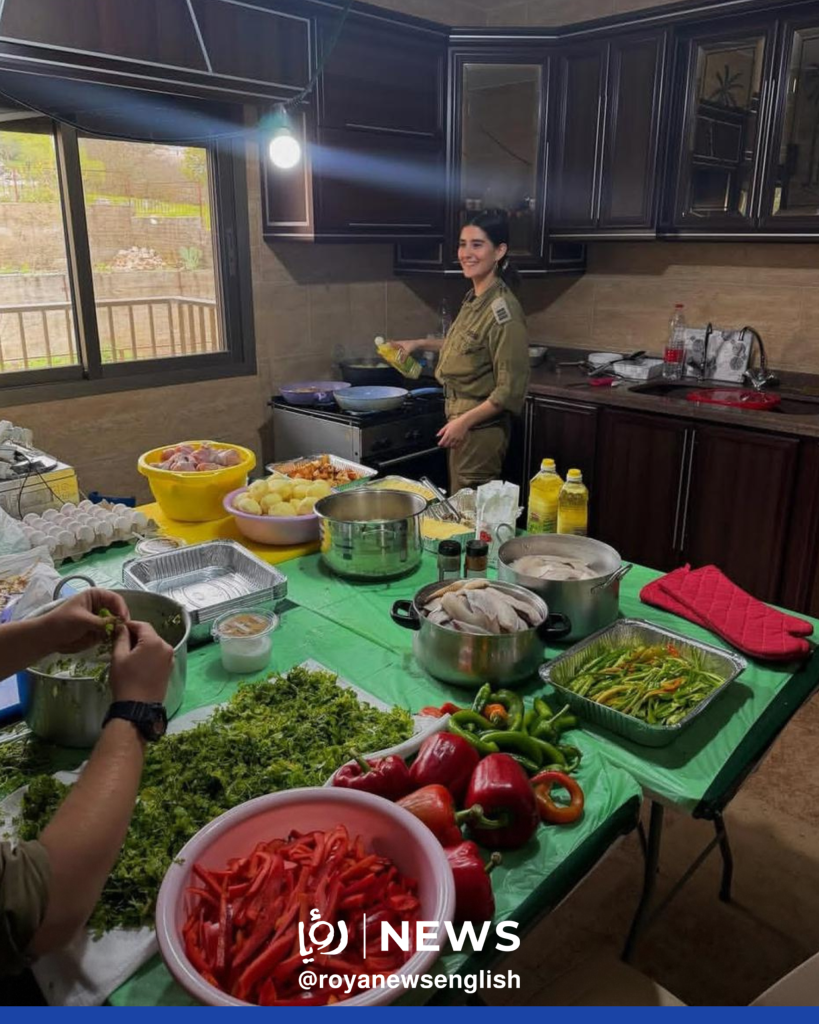
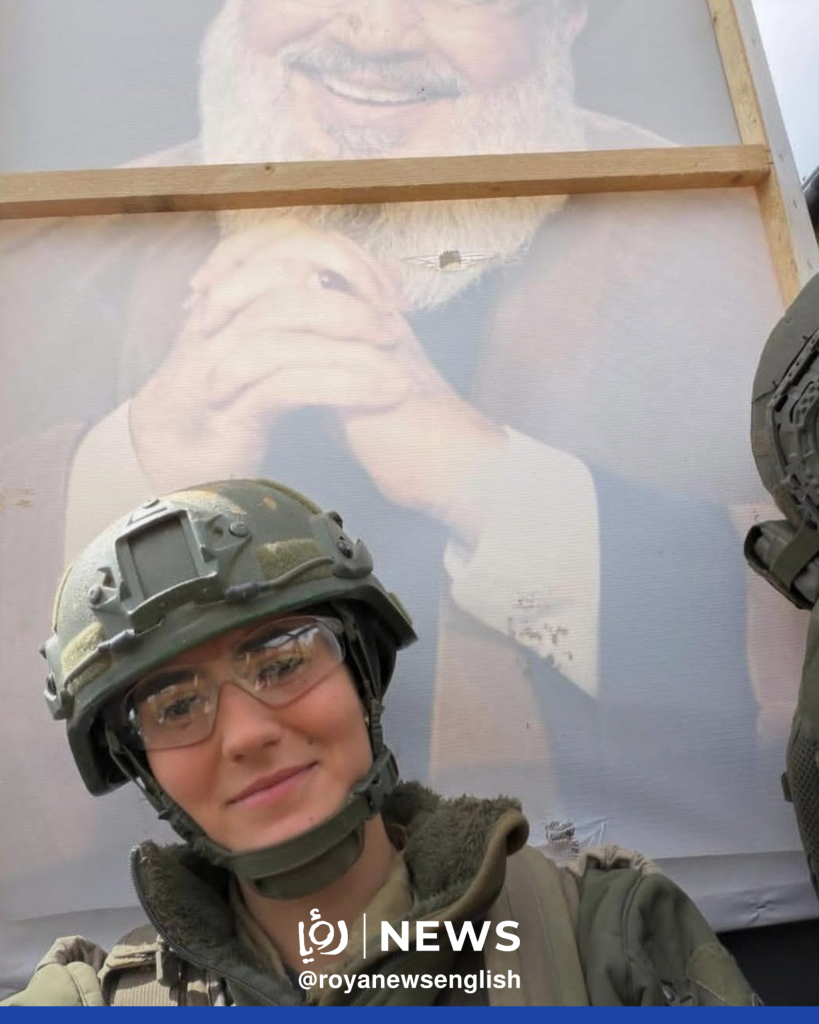
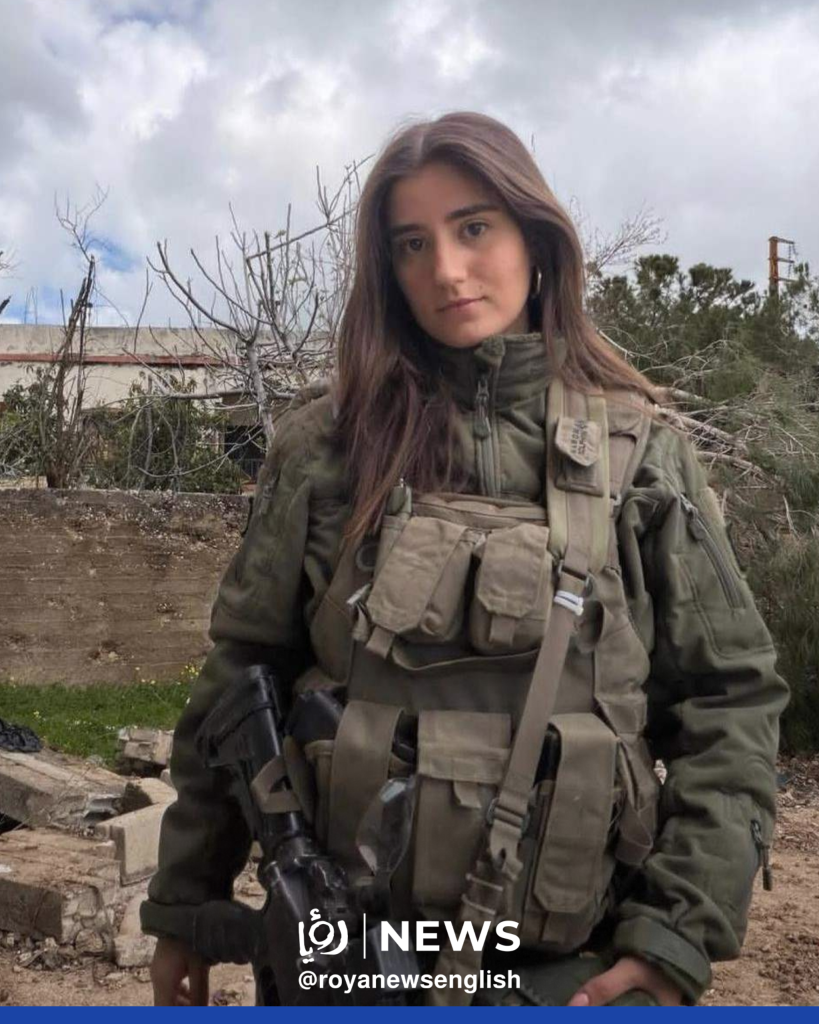
Social media photos show ‘Israeli’ soldiers in southern Lebanon’s Bint Jbeil
Photos circulating on social media showing what is said to be ‘Israeli’ soldiers in southern Lebanon’s Bint Jbeil.
The soldiers are seen occupying a house, using its kitchen and utensils to cook food, in addition to picking vegetables and fruit from the land.


Trump says US team to arrive in Islamabad tonight
President of the United States Donald Trump dismissed claims that Iran will not participate in the latest round of negotiations in Pakistan, insisting talks are still expected to proceed.
“We’re supposed to have the talks,” Trump told New York Post, downplaying concerns that discussions could collapse. “So I would assume at this point nobody’s playing games.”
US delegation arrives in Islamabad
Trump confirmed that Vice President JD Vance, special envoy Steve Witkoff, and adviser Jared Kushner have departed for Islamabad to prepare for the meetings.
“They’re heading over now,” Trump said. “They’ll be there tonight, Islamabad time.”
The talks come days before the expected expiration of a US-Iran cease-fire, highlighting growing urgency amid rising regional tensions.
Trump open to direct meeting
Trump signaled he would be willing to meet senior Iranian leaders if negotiations produce progress.
“I have no problem meeting them,” he said. “If they want to meet, and we have some very capable people, but I have no problem meeting them.”
He stressed that any agreement would require Iran to abandon its pursuit of nuclear weapons.
“Get rid of their nuclear weapons. That’s all very simple,” Trump said. “There will be no nuclear weapon.”
Uncertainty over next steps
The President declined to detail potential consequences if talks fail or if Iran refuses to comply, as the cease-fire deadline approaches.
“Well, I don’t want to get into that with you,” he said. “You can imagine. It wouldn’t be pretty.”
Trump warns “lots of bombs start going off” if Iran ceasefire expires: PBS News
US President Donald Trump warned that “lots of bombs” will “start going off” if the ceasefire with Iran expires tomorrow, Tuesday.
“Then lots of bombs start going off,” Trump said when asked by PBS News on what happens if the ceasefire expires tomorrow evening.
“I don't know. I mean, they're supposed to be there,” he added when asked if Iran is participating in the Islamabad talks.
“We agreed to be there, although they say we didn't. But no, it was set up. And we'll see whether or not it's there. If they're not there, that's fine too.”
"No, I mean, we're not negotiating anything other than the fact that they will not have a nuclear weapon. And that's pretty basic when you get right down to it,” he added.
“So you know, that's it. I sent an A-team. I sent my A-Team, he's done an excellent job. He doesn't participate with Saudi now, as you know. He's taken… He doesn't do that. He has a business but he doesn't participate now.”
UAE says dismantled Iran-linked group plotting “terror” operations
Authorities in the United Arab Emirates arrested members of an Iran-linked group that was plotting "terrorist" acts in the country and attempting to recruit Emiratis, state security said Monday.
"The State Security Service announced the dismantling of a terrorist organisation and the arrest of its members," adding they were "planning systematic terrorist and sabotage operations" in the UAE.
"Investigations revealed the organisation's ties to the Velayat-e Faqih (Guardianship of the Jurist) in Iran," it added. It also shared mugshots of 27 men and their names.
US Delegation heading to Pakistan for Iran talks, Trump says
US President Donald Trump said Monday that a delegation led by Vice President JD Vance is on its way to Pakistan and will land within hours for talks with Iran.
Trump, in statements to The New York Post, added that he was willing to meet with senior Iranian leaders if a breakthrough is reached.
“We’re supposed to have the talks,” Trump said.
“So I would assume at this point nobody’s playing games.”
“They’re heading over now…They’ll be there tonight, [Islamabad] time.”
Trump said he was willing to meet directly with the Iranian leadership if a breakthrough or an opportunity arises.
“I have no problem meeting them,” he said.
“If they want to meet, and we have some very capable people — but I have no problem meeting them.”
He also told The New York Post that Iran abandoning a nuclear weapons pursuit is a non-negotiable demand.
“Get rid of their nuclear weapons. That’s all very simple,” he said. “There will be no nuclear weapon.”
Second Lebanon-‘Israel’ meeting expected Thursday in Washington: Hebrew media
The ‘Israeli’ Channel 15 reported that a second round of talks between Lebanon and ‘Israel’ is expected to be held on Thursday in Washington, with ambassadors from both sides set to participate if the meeting takes place.
‘Israel’ finalizes plans for reported new opening strike on Iranian targets: Hebrew media
Senior military and media reports say ‘Israel’ has finalized operational planning for what is described as a large-scale “opening strike” targeting strategic infrastructure inside Iran, marking a sharp escalation in rhetoric amid already heightened regional tensions, according to Channel 12.
According to the reports, the operational concept attributed to the IOF centers on pre-emptive strikes aimed at weakening Iran’s defensive and offensive capabilities.
IOF is said to be considering precision strikes against air defense systems and drone production facilities, alongside potential cyber operations designed to disrupt radar and command networks before any kinetic action.
China’s president urges normal passage in Strait of Hormuz
Chinese President Xi Jinping has called for ensuring the normal passage of vessels through the Strait of Hormuz during a phone call with Saudi Arabia’s crown prince, according to state media.
The comments were reported by the Xinhua News Agency.
Xi stressed the importance of maintaining safe and uninterrupted maritime traffic through the Strait of Hormuz, a key global energy shipping route.
He also reiterated China’s position advocating for an immediate and comprehensive ceasefire in the Middle East, urging that conflicts be resolved through political and diplomatic channels rather than military escalation.
Foreign airlines to resume operations from Qatar
The Qatar Civil Aviation Authority (QCAA) has announced that foreign airlines will gradually resume their operations to and from Hamad International Airport, following a temporary disruption.
The QCAA said the decision comes after “a comprehensive assessment of the situation,” carried out in coordination with relevant national entities to ensure high levels of readiness and operational efficiency.
According to the authority, the resumption of flights will take place in stages, depending on operational readiness and airline coordination.
Jordan’s King urges stronger efforts to sustain regional stability in call with Costa
King Abdullah II of Jordan held a phone call with European Council President António Costa, during which both leaders emphasized the need to intensify international efforts to sustain de-escalation and strengthen stability in the region.
The call, received by King Abdullah in Jordan, centered on ongoing regional tensions and the importance of coordinated diplomatic efforts to maintain calm and prevent further escalation.
Conflicting reports emerge over shipping activity in Strait of Hormuz
Reuters reported, based on ship-tracking data, that shipping traffic through the Strait of Hormuz is completely halted today. On the other hand, Kpler data showed two tankers entering the Gulf through the strait, one carrying liquefied natural gas (LNG) and the other carrying chemicals.


