Pakistan and Afghanistan slid into 'open war' after deadly border escalation
Note: AI technology was used to generate this article’s audio.
- Escalation into open war: Pakistan and Afghanistan have collapsed their Qatar-mediated ceasefire, trading airstrikes and ground attacks along the Durand Line, resulting in hundreds of deaths and thousands of civilians fleeing.
- Humanitarian and geopolitical impact: Civilian casualties have been reported on both sides, and international actors including the UN and the UK are calling for de-escalation amid fears of a prolonged regional conflict.
Tensions between Pakistan and Afghanistan have reached their most dangerous point in decades, as both nations traded heavy artillery, airstrikes, and ground assaults across the 2,600-km Durand Line.
On Friday, Pakistan’s Defense Minister, Khawaja Asif, formally declared a state of “open war” following a wave of retaliatory operations that have left hundreds dead and forced thousands of civilians to flee their homes.
Collapse of the Ceasefire
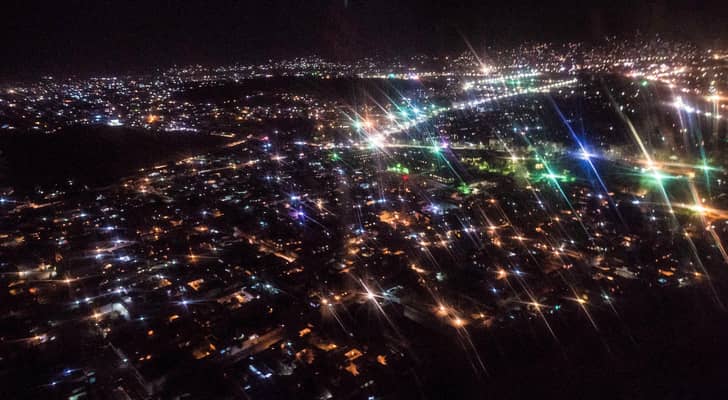
The latest flare-up marks the collapse of a fragile Qatar-mediated ceasefire established in late 2025. Early on Friday, the Pakistan Air Force launched widespread airstrikes deep into Afghan territory, hitting for the first time the capital, Kabul, and the southern Taliban stronghold of Kandahar. Pakistan’s military spokesperson, Ahmed Sharif Chaudhry, said 22 military targets were struck, killing at least 274 Taliban officials and militants.
However, Afghan authorities and UN monitors reported that several strikes hit residential areas. In Nangarhar province, at least 18 civilians, including 11 children, were killed when a home in the Bihsud district was struck. Islamabad has maintained that the strikes were “intelligence-based,” aimed at hideouts of the Tehreek-e-Taliban Pakistan (TTP) and ISIS-K, whom Pakistan accuses the Afghan Taliban of sheltering.
The Trigger: Operation Ghazab-Lil-Haqq
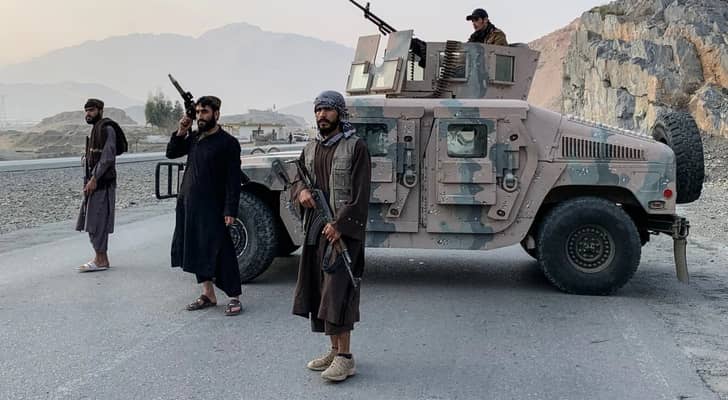
The escalation was triggered Thursday night when Afghan forces launched what they described as a “retaliatory operation” against Pakistani border posts. In response, Pakistan initiated Operation Ghazab-Lil-Haqq, meaning “Righteous Fury.” Heavy fighting erupted in the Khyber Pakhtunkhwa border sectors, with both sides trading conflicting claims: the Afghan Ministry of Defense reported killing 55 Pakistani soldiers and destroying 19 army posts, while Islamabad confirmed 12 casualties and said it had destroyed dozens of Taliban posts, seizing military equipment including tanks and armored personnel carriers.
The TTP Factor
At the heart of the conflict remains the TTP. Following a series of deadly terror attacks in Islamabad and Bajaur earlier this month—including one at a mosque that killed 36 people, Pakistan issued an ultimatum to the Taliban government to cease “exporting terrorism.” Islamabad argues Afghan soil is being used as a base for attacks, while Kabul maintains the TTP is a “homegrown” Pakistani problem and that airstrikes violate Afghan sovereignty.
The Durand Line, viewed by Pakistan as a permanent international border, remains a point of contention, with Afghan officials calling it a colonial-era imposition.
Humanitarian Crisis
The humanitarian fallout is mounting. Thousands of civilians on both sides of the Torkham and Chaman border crossings are fleeing to safer areas. Families in Nangarhar and Kurram have moved further inland to escape heavy mortar fire, creating a rapidly worsening displacement crisis.
International Response
International observers have called for restraint. The UK and the UN urged “immediate de-escalation,” while the Afghan Taliban’s chief spokesman, Zabihullah Mujahid, reiterated Kabul’s desire for dialogue. Pakistan’s leadership, however, signaled that “patience has run out,” raising fears that the conflict could spiral further across the region.
Looking Ahead
As airstrikes continue and both militaries bolster their positions along the border, analysts warn that the fragile security situation could ignite a protracted war with regional implications, threatening civilian lives and destabilizing an already volatile South Asia.