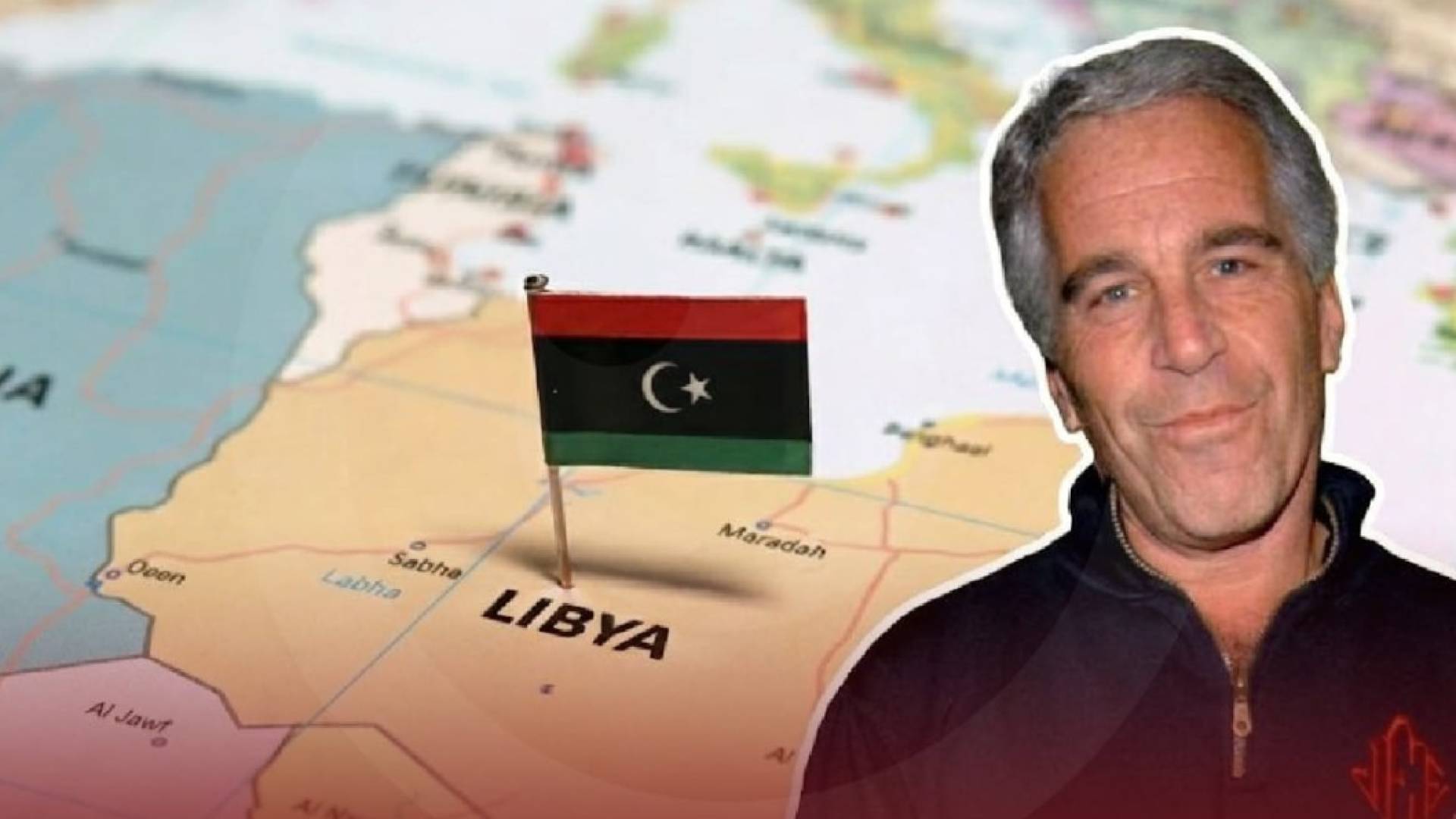
Emails reveal Epstein-linked scheme to cash in on Libya’s post-Gaddafi instability
Note: AI technology was used to generate this article’s audio.
- 2011 emails show plans to access $80 billion in Libyan assets after Muammar Gaddafi’s fall.
- The scheme involved former MI6 and Mossad officials, highlighting international networks
Recent documents released by the United States Department of Justice have unveiled a 2011 email detailing Jeffrey Epstein's associate's plans to access approximately $80 billion in frozen Libyan state assets following the fall of Muammar Gaddafi.
The correspondence, dated July 2011, highlights systematic efforts to exploit the political and economic instability during the Libyan revolution, aiming to identify and recover funds held in Western countries. This revelation emerges from a massive tranche of over three million documents disclosed on January 30, 2026, as mandated by congressional legislation.
Frozen Assets and Potential Profits
The email, sent by one of Epstein's partners, describes the frozen assets as "stolen and misappropriated," estimating their true value could be three to four times the reported $80 billion. Of this amount, $32.4 billion was held in the United States alone, with the remainder distributed across other nations. The plan proposed recovering 5 to 10 percent of these funds, potentially earning compensation of 10 to 25 percent, which could translate to billions in profits.
Epstein’s Wealth and Global Reach
Jeffrey Epstein was a financier with extensive connections to political leaders, royals, and intelligence figures, giving him access to deals few could pursue. His wealth and network allowed him to operate internationally, often targeting high-risk opportunities where legal, political, and financial lines blurred. Previous investigations revealed a pattern of leveraging instability to generate massive profits, highlighting how Epstein combined influence, strategy, and secrecy in his ventures.
International Network Involvement
Central to the scheme was a network involving former officials from British intelligence (MI6) and ‘Israel's Mossad, who reportedly expressed willingness to assist in tracing and reclaiming the assets. This collaboration underscores the complex web of international connections Epstein leveraged, raising questions about the ethical boundaries of such pursuits amid Libya's transitional chaos.
Chaos and Asset Vulnerabilities
Following Muammar Gaddafi’s overthrow in 2011, Libya entered a period of civil unrest and political chaos. Many state assets were frozen in Western banks under international sanctions, creating legal ambiguities. This environment attracted private actors seeking to recover or exploit funds, sometimes with guidance from former intelligence officials. Epstein’s Libya plan fits this pattern, illustrating how geopolitical instability can become an avenue for high-stakes financial schemes.
Strategic Opportunity
Epstein justified the initiative by portraying Libya as a "strategic opportunity" for financial and legal investments, citing its substantial oil reserves and relatively educated populace. The email emphasized the potential for long-term gains in a post-revolutionary landscape, framing the effort as a legitimate business venture rather than exploitation.
Ongoing Scrutiny and Concerns
These disclosures form part of the ongoing scrutiny into Epstein's activities, who was a convicted sex offender and financier with extensive ties to influential figures. The 2011 timing aligns with global sanctions imposed on Libyan assets after Gaddafi's regime collapsed, amid international efforts to manage the country's wealth during its civil unrest.
Critics argue that such plans exemplify how powerful individuals and networks capitalize on geopolitical vulnerabilities for personal gain, potentially undermining national sovereignty. The involvement of ex-intelligence personnel further fuels concerns over covert operations influencing asset recovery processes.
Calls for Further Investigation
As of February 2026, no additional developments have emerged from the DOJ regarding prosecutions tied to these specific revelations, though the release continues to prompt calls for deeper investigations into Epstein's global financial maneuvers