Trump briefed on Intelligence saying Iran’s regime at its weakest since 1979: Report
Note: AI technology was used to generate this article’s audio.
- U.S. intelligence warns Trump that Iran’s regime is at its weakest point since 1979 amid protests and economic turmoil.
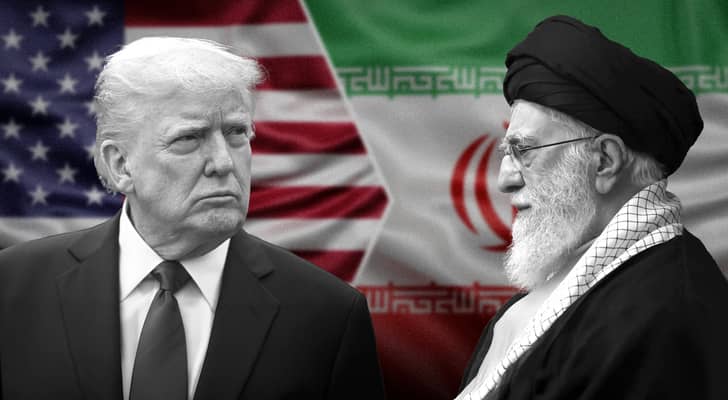
According to The New York Times, President Donald Trump has received multiple U.S. intelligence briefings indicating that the Iranian government’s grip on power is at its weakest since the 1979 revolution that toppled the shah.
Read more: Trump prepares target list for possible strike on Iran: Reports
The assessments, obtained from people familiar with the information, suggest recent mass protests shook elements of Iran’s leadership, particularly in regions previously seen as strongholds of support for Supreme Leader Ayatollah Ali Khamenei.
Protests that erupted in late 2025 spread beyond major cities into areas where Tehran expected stability, highlighting the government’s fragile hold on authority.
While demonstrations have eased, intelligence officials note that Iran’s historically weak economy continues to strain the regime.
U.S. Military Buildup in the Region Amid Rising Tensions
As part of a broader response to the situation, the U.S. military has intensified its presence in the Middle East. The nuclear‑powered aircraft carrier USS Abraham Lincoln, accompanied by three guided–missile destroyers, has entered the U.S. Central Command’s area of responsibility in the western Indian Ocean and is positioned to act against Iranian targets if ordered.
Read more: Iran’s anti-US mural goes viral with ‘reap the whirlwind’ message
Military officials told The New York Times that if the White House were to authorize a strike against Iran, the Lincoln could theoretically conduct operations within one to two days. Additional U.S. resources in the region include a dozen F‑15E attack aircraft bolstering airstrike capabilities and Patriot and THAAD missile defense systems deployed to protect U.S. forces from possible Iranian retaliation.
Long‑range bombers based in the United States are also on heightened alert status, a condition enacted when Trump requested military options in response to Iran’s domestic unrest.
Senior U.S. military officials have increased coordination with allies, including visits by Central Command leadership to Syria, Iraq, and 'Israel' to discuss regional security and contingency plans.
White House Statement and Trump’s Position
White House press secretary Karoline Leavitt stated that Trump is “consistently briefed on intelligence matters around the world” and that closely monitoring developments in Iran is part of his duties as commander in chief.
She reiterated that the administration continues to assess the situation but did not disclose specific policy decisions.
Trump has publicly warned that he could order military strikes against Iran if the government’s crackdown on protesters continues or escalates. However, advisers remain divided about the efficacy of symbolically targeted strikes versus broader military campaigns.
There was a notable moment earlier when Trump appeared to step back from immediate action after Tehran suspended an execution of a protester, a move that also followed pressure from 'Israeli' leaders to delay potential U.S. strikes.