Peace board born from Netanyahu’s wars, yet he joins it
Note: AI technology was used to generate this article’s audio.
- Peace Board created in response to destruction caused by 'Israeli' military campaigns.
- Netanyahu, central to the regional destabilization, accepts invitation to join.
- US support underpinned his role throughout the wars.
The Board of Peace was established not as a result of diplomatic progress, but as a direct response to the destruction wrought by ’Israel’s‘ wars and expansion under ’Israeli‘ Prime Minister Benjamin Netanyahu. Decades of military operations destabilized Gaza, Syria, Lebanon, and Yemen, while provocations toward Iran brought the region to the brink of a broader confrontation.
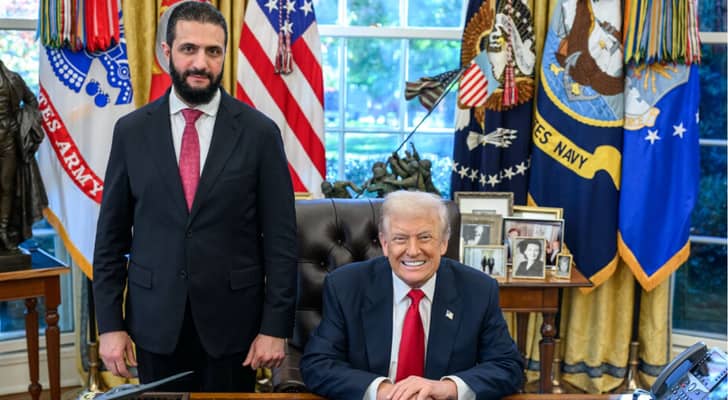
Today, Netanyahu accepted an invitation from former US President Donald Trump to join the board, sparking controversy. Critics say that the body was created to manage the fallout of the very wars that Netanyahu oversaw, yet he is now positioned as a stakeholder in restoring regional stability.
Read more: Netanyahu joins Trump’s Gaza “Board of Peace” amid legal pressures
Gaza: destruction and humanitarian collapse
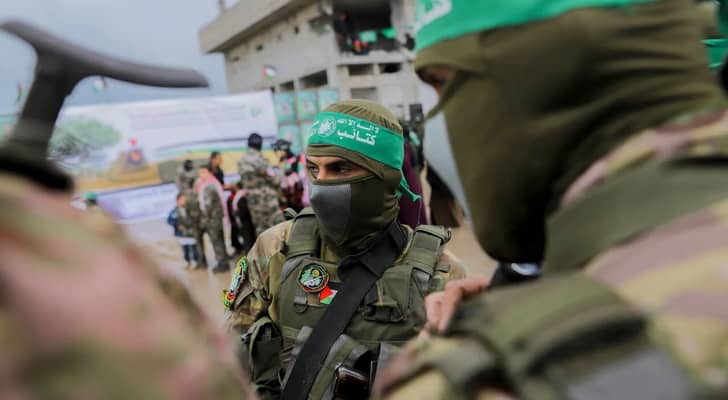
The ’Israeli‘ war on Gaza was the immediate trigger for the Board of Peace’s creation. UN and Human Rights Watch reports show that 66–90 percent of Gaza’s buildings were destroyed or severely damaged. Around 71,548 Palestinians were killed in Gaza, including 18,592 children and 12,400 women. Elderly deaths reached 4,412, while 1,411 medical personnel, 252 journalists, 800 educational staff, 203 UNRWA employees, and 113 civil defense workers were also among the victims.
In addition, 11,200 people remain missing, including 4,700 children and women. In the West Bank, casualties reached 1,107, including 210 children. The destruction of infrastructure, homes, hospitals, schools, and utilities left nearly 1.9 million people displaced, and the Integrated Food Security Phase Classification warned of acute food insecurity across the territory. These figures highlight the unprecedented scale of humanitarian catastrophe that directly prompted the establishment of the Board of Peace.
Lebanon, Syria, and the expansion of war
Netanyahu’s policies also dragged southern Lebanon into repeated escalations. Continuous ’Israeli‘ airstrikes and artillery operations killed civilians and displaced tens of thousands, creating a humanitarian crisis documented by UNIFIL.
Read more: Full explainer: What is Trump's Board of Peace?
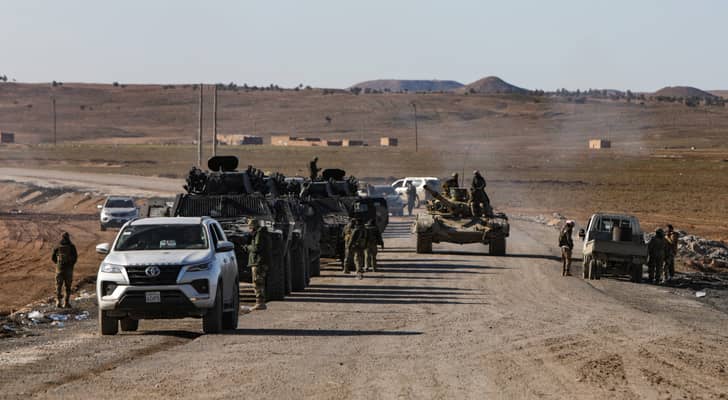
In Syria, hundreds of strikes on airports, military sites, and civilian infrastructure disrupted humanitarian aid corridors and undermined post-war recovery. Meanwhile, ’Israel’s‘ military posture against Iran and indirect engagement in Yemen amplified regional instability, turning local conflicts into a broader security emergency.
Peace board as damage control
The Board of Peace was designed to contain the chaos created by these wars. Its mandate emphasizes reconstruction, humanitarian coordination, and security management. Diplomats say it prioritizes immediate stabilization over justice or accountability. The paradox is stark: the very leader whose decisions destabilized the region, Netanyahu, is now part of the initiative to manage its aftermath.
Netanyahu’s record of war rhetoric
Netanyahu’s role in shaping the wars that led to the creation of the Board of Peace is reflected not only in military decisions, but also in his public rhetoric. Throughout the war on Gaza, he repeatedly rejected calls for a permanent ceasefire, declaring that ’Israel‘ would continue fighting “until the mission is completed” and insisting there was “no alternative” to sustained military pressure, even as civilian casualties mounted.
Read more: Allies tepid on Trump “peace board” with $1bn permanent member fee
In statements addressing Lebanon, Netanyahu warned that Beirut could face “destruction similar to Gaza” if Hezbollah operations continued, explicitly using Gaza’s devastation as a deterrent threat. His government also publicly affirmed its intention to expand military operations in the West Bank, while Netanyahu dismissed the two-state solution and emphasized permanent ’Israeli‘ security control “from the river to the sea”.
These positions, documented in official speeches, press conferences, and international addresses, reinforce the central paradox surrounding his inclusion in the Board of Peace: a leader who openly championed war, escalation, and territorial control is now presented as a partner in managing the consequences of the very destruction he defended.
US support underpins Netanyahu’s role
Analysts say it is not surprising that the United States extended the invitation to Netanyahu, given Washington’s deep political and military backing for ’Israel‘ throughout the Gaza war. Since the outbreak of hostilities in October 2023, the US provided extensive military, diplomatic, and financial support, including expedited shipments of weapons and advanced munitions, while repeatedly using its veto power at the United Nations Security Council to block resolutions calling for an unconditional ceasefire and humanitarian access.
Congress and the executive branch authorized billions in security assistance, and US forces coordinated closely with ’Israeli‘ military operations, contributing intelligence and logistics that observers say made sustained operations possible. Human rights organizations have argued that some of this support may implicate the US in violations of international humanitarian law by facilitating the use of American-made weapons in the war.
This alliance has shaped the dynamics of the conflict and the post-war political landscape. To critics, the US invitation to Netanyahu reflects a continuation of a strategic partnership that shielded him throughout the wars, even as those wars generated the very devastation the Board of Peace was created to manage.
Peace built on the ruins of war
From Gaza to Lebanon, Syria, Yemen, and the brink of confrontation with Iran, Netanyahu’s policies reshaped the Middle East through force rather than diplomacy. The Board of Peace exists because of these wars, not in spite of them. Its challenge is immense: to stabilize a region destabilized by the very figure now invited to govern its recovery. The paradox is unavoidable, a peace initiative born from the destruction caused by the man now asked to join it.