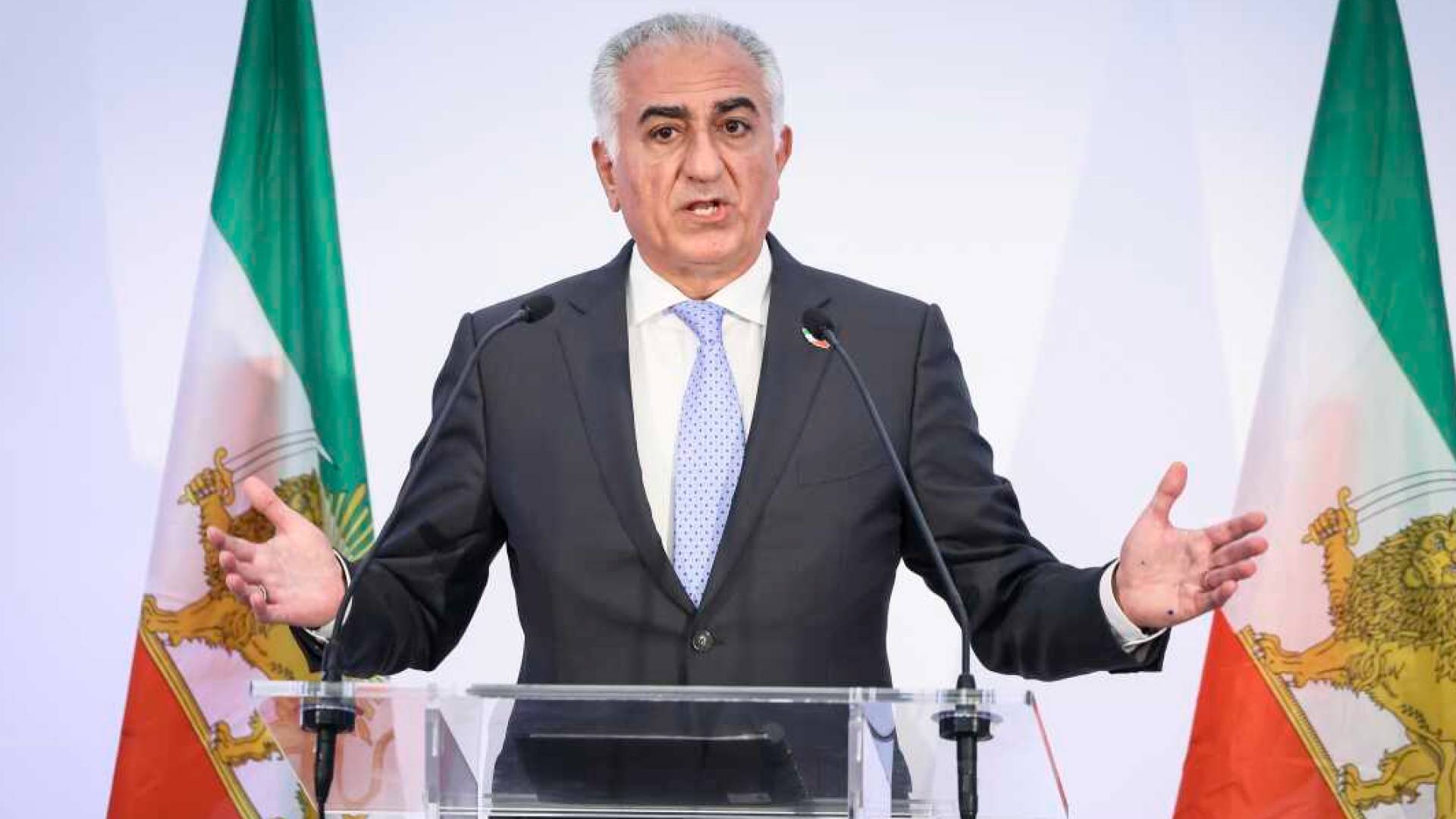
Pahlavi calls for trial of Khamenei over "crimes against Iranians"
Note: AI technology was used to generate this article’s audio.
- Reza Pahlavi issues a blistering address to Iran’s supreme leader, accusing him of crimes against Iranians and vowing accountability.
- The statement urges unity and readiness for renewed nationwide protests, framing the moment as the beginning of the regime’s collapse.
Reza Pahlavi, a prominent Iranian opposition figure, published a sharply worded address on his official Instagram account aimed at Iran’s supreme leader, Ali Khamenei, accusing him and the ruling establishment of grave crimes against the Iranian people and promising future prosecution.
In the statement, Pahlavi described Khamenei as a “criminal” responsible for the deaths of tens of thousands of Iranians, including children and young people. He said the leader and what he called the regime’s “agents” would be held accountable for every drop of blood shed, without exception.
Call for justice
Pahlavi drew a parallel with the post-World War Two trials of Nazi leaders in Nuremberg, saying Khamenei and his associates would face justice in what he termed “the court of the Iranian nation.” He asserted there would be no forgiveness, no forgetting, and no retreat.
“Your end is disgrace and eternal shame,” the message said, adding that no crime would go unanswered and that those responsible would have no immunity or place to hide.
Appeal to Iranians
Addressing Iranians directly, Pahlavi said the public was not alone and praised what he described as the courage and resilience of a grieving but steadfast nation. He argued that popular resistance had already changed the course of history and claimed the ruling system was fractured, weakened, and entering the early stages of collapse.
He urged Iranians to trust in unity and courage, saying the authorities could no longer rule through fear. The message framed public mourning for those killed as a force to be transformed into “conscious anger” and an unbreakable will against the leadership and its domestic and foreign backers.
Readiness for protests
Pahlavi called on supporters to be prepared for a return to the streets, predicting demonstrations that would be broader and more determined than before. He described the goal as reclaiming Tehran and, ultimately, Iran itself.
He closed by saying the struggle was a national duty and a covenant with those who lost their lives for freedom, promising their names would not be forgotten in history or collective memory. The statement ended with a pledge that a day of celebration for a reclaimed Iran was not far away.