2024 Georgia protests (Credit: Reuters)


Georgia threatens legal action against BBC over chemical-weapon protest report
Note: AI technology was used to generate this article’s audio.
- Georgia denounced a BBC investigation alleging the use of a WWI-era chemical agent on protesters.
- PM Kobakhidze called the report “a cheap provocation” and said Georgia will pursue legal action.
- The BBC says its findings draw on whistleblowers, UN experts, protester testimony, and medical evidence.
Georgia’s government escalated its dispute with the BBC on Wednesday, accusing the broadcaster of spreading false allegations after it published an investigation suggesting authorities deployed a World War I–era chemical agent against protesters last year.
The report has reignited debate in a country already convulsed by a year of anti-government demonstrations and growing criticism of heavy-handed policing.
Prime Minister Irakli Kobakhidze sharply rejected the BBC’s findings, calling them part of an orchestrated smear campaign. “It was clear from the outset that the BBC’s report is not only a falsehood, but a cheap provocation orchestrated in the style of foreign intelligence services,” he said during a press briefing in Tbilisi.
Kobakhidze added that Georgia intends to pursue formal complaints against the broadcaster. “We plan to appeal both to the British communications regulatory authority and, if necessary, to international justice, so that the BBC is duly held accountable and retracts the false information,” he said.
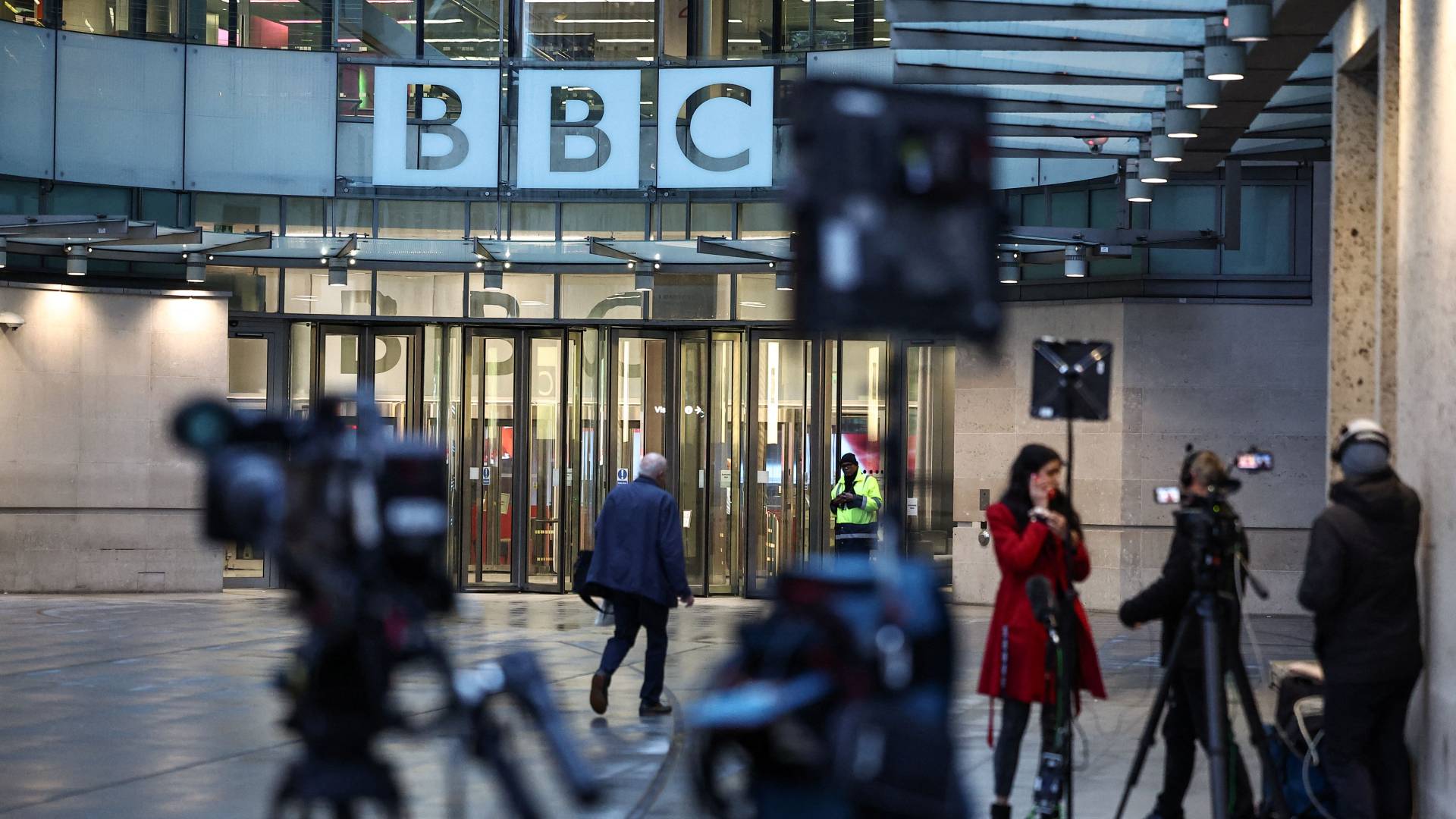
In response, the BBC defended its reporting, stating that its investigation was built on extensive testimony and documentation. The broadcaster said in a statement that the findings were based on “hearing directly from the protestors themselves, multiple whistleblowers, UN experts and experts inside Georgia, as well as a medical study and written documents and reports.”
Georgia’s State Security Service has meanwhile opened an inquiry into the BBC’s claims.
The controversy comes on the heels of a turbulent political year. The country has been in a prolonged crisis since a disputed parliamentary election, with the opposition accusing the ruling Georgian Dream party of manipulating the vote. Public outrage intensified when the government said it would delay seeking EU accession talks until 2028, a move that triggered mass protests.
Security forces used tear gas and water cannons during the early demonstrations, and human rights groups later documented severe mistreatment of detainees. The national ombudsman and Amnesty International both concluded that abuses by police amounted to “torture.”
Despite mounting criticism, the ruling party denies accusations of democratic regression or pro-Russia leanings.