US Capitol

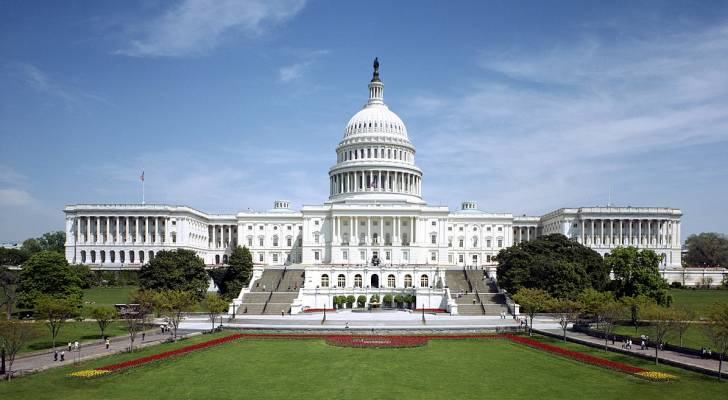
Longest US government shutdown may end soon as Senate advances funding deal
Note: AI technology was used to generate this article’s audio.
The longest government shutdown in US history could finally come to an end this week after the Senate cleared an initial hurdle on a compromise to restore federal funding, though it remains unclear when Congress will give final approval.
The proposed deal would reopen federal agencies that have been unfunded since October 1, providing relief to hundreds of thousands of federal workers who have gone unpaid for over a month, travelers affected by thousands of canceled flights, and low-income families whose food subsidies have been disrupted. Funding would be extended through January 30, maintaining a government debt trajectory of roughly USD 1.8 trillion annually within a USD 38 trillion total.
President Donald Trump’s Republican Party controls both chambers of Congress. However, Democrats leveraged Senate rules requiring 60 votes for most legislation to push for a December vote on extending health insurance subsidies for 24 million Americans. The compromise emerged as eight moderate Democrats backed the deal, a move that drew criticism from party members concerned that the healthcare vote may not ultimately pass both chambers.
“We wish we could do more,” said Senator Dick Durbin of Illinois, the chamber’s No. 2 Democrat. “The government shutting down seemed to be an opportunity to lead us to better policy. It didn’t work.”
Moderate Democrats Maggie Hassan and Jeanne Shaheen of New Hampshire, along with Independent Senator Angus King of Maine, helped broker the deal, according to a source familiar with the discussions.
The agreement would also temporarily prevent President Trump from reducing the federal workforce and fund the SNAP food-subsidy program through September 30, 2026, providing stability for low-income Americans in case of future shutdowns. However, the deal does not include specific measures to limit Trump from enacting additional spending cuts.
House Speaker Mike Johnson said the chamber could pass the measure as early as Wednesday if the Senate acts quickly, allowing it to reach the President’s desk for signature. Meanwhile, US stocks rose Monday on optimism that the shutdown may soon end.
Economic advisers warn that a prolonged shutdown could turn US economic growth negative in the fourth quarter, particularly if air travel does not normalize ahead of the Thanksgiving holiday on November 27.