Qassam ready to retrieve all bodies inside ‘yellow line’, says 'Israel' refused captive samples
Note: AI technology was used to generate this article’s audio.
- Specialized Qassam teams are fully prepared to begin operations to retrieve captives’ bodies from inside the "Yellow line" area.
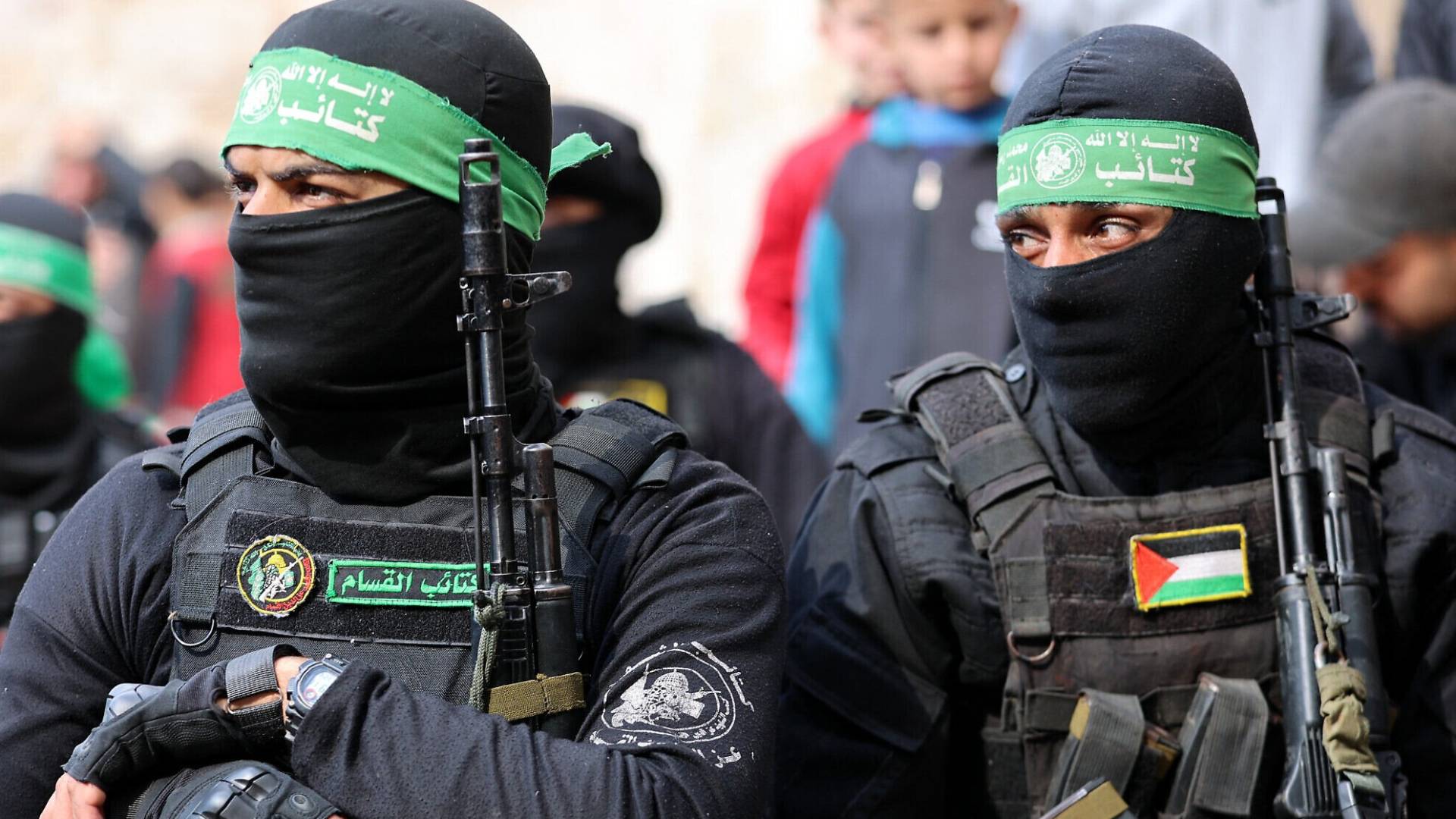
The Izz ad‑Din al‑Qassam Brigades, the military wing of Hamas, announced on Saturday that its specialized teams are fully prepared to begin operations to retrieve the bodies of ‘Israeli’ captives.
In a statement, the group urged international intermediaries, including the International Committee of the Red Cross (ICRC), to provide logistical support for a large-scale, coordinated recovery effort.
Synchronized and comprehensive recovery plan
In a series of posts on its official social media channels, the brigades outlined a proposed mechanism for the operation, calling for a “synchronized and comprehensive” exhumation and recovery effort across all identified locations. According to the group, the aim is to “close this file” completely rather than conduct partial or piecemeal handovers.
The bodies are reportedly located “inside the yellow line,” a term used by Qassam to define its operational area. The brigades said the operation would require specialized equipment and neutral, trained technical teams, including digging machinery, refrigeration units, and heavy lifting equipment, to retrieve remains from multiple sites simultaneously.
Appeal to international intermediaries
The statement directly called on mediators and the ICRC to “assume their responsibilities” by supplying and preparing the necessary equipment and teams. By involving the Red Cross and international mediators, Qassam framed the proposed operation as both a humanitarian task, ensuring human remains are handled in accordance with international law, and a negotiated process tied to broader political considerations.
Previous handover incident
The brigades also recounted a previous handover incident, stating that they had offered three “samples” of unidentified remains, which they confirmed 'Israel' refused. According to Qassam, 'Israeli' authorities insisted on receiving full bodies for examination. In response, the brigades handed over complete remains to “preempt Israeli allegations,” portraying the move as a demonstration of cooperation and a means to prevent accusations of obstructing handovers.
'Israeli' forensic assessment
Meanwhile, Israel’s military confirmed that the three bodies it received via the Red Cross the previous night were not captives currently held in Gaza. Forensic analysis revealed that they were not among the 11 deceased captives yet to be released under a US-brokered ceasefire deal.
Political and procedural implications
The announcement highlights the procedural and political sensitivities surrounding the recovery and identification of bodies. Qassam’s call places pressure on neutral intermediaries to organize and supervise a technically complex, large-scale operation, raising questions over whether the proposed synchronized plan will be facilitated.