Who assesses famine and how do they confirm it?
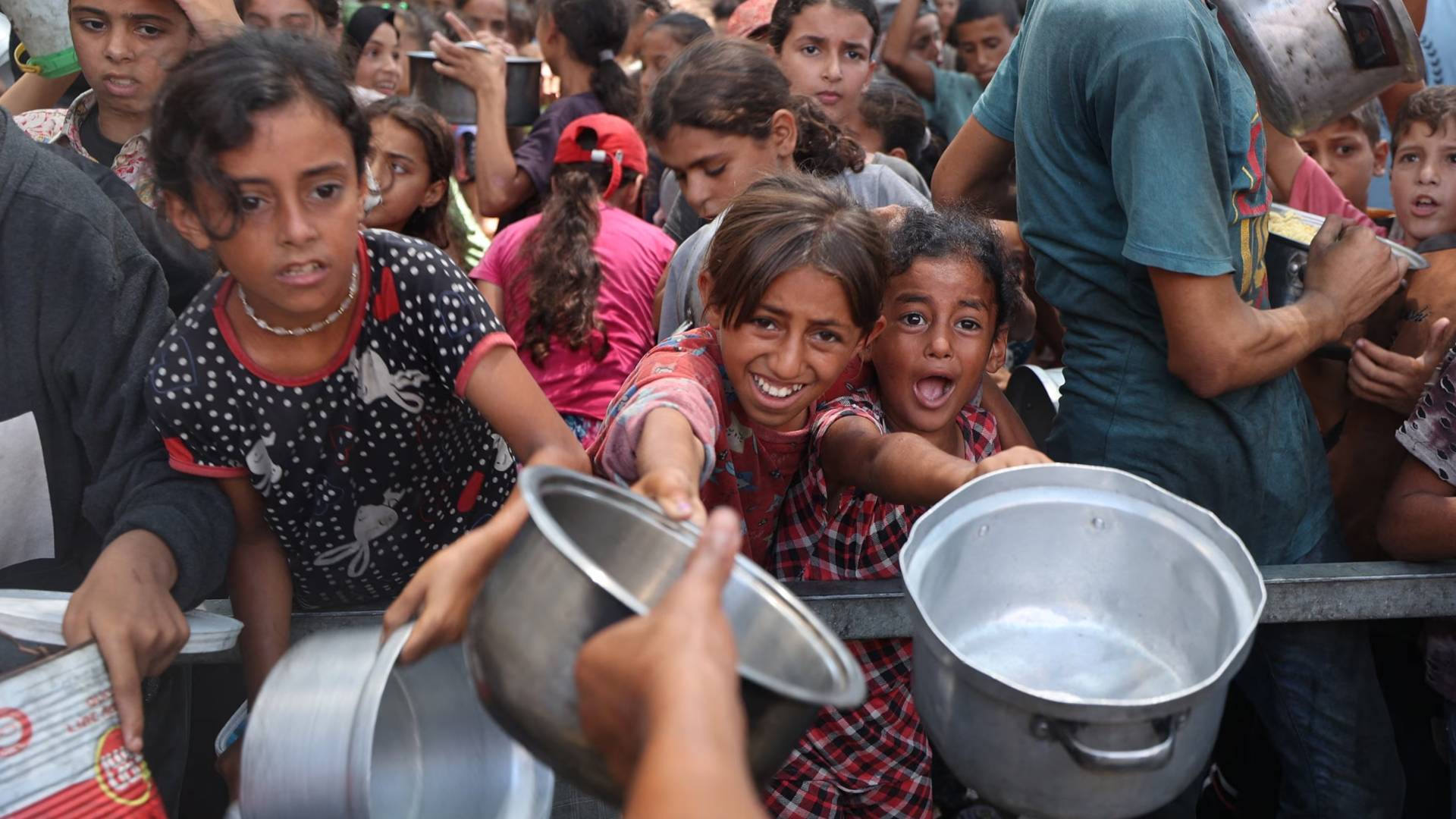
A global hunger monitor confirmed on Friday that famine is taking place in Gaza, nearly two years after 'Israel' began its genocide in Gaza.
According to a report published on Reuters, a famine is determined by the Integrated Food Security Phase Classification (IPC), an independent body funded by Western countries and widely recognized as the leading system for measuring the severity of hunger crises.
The IPC was established to provide early warnings to prevent famine and mass starvation, and governments and humanitarian organizations use its findings to mobilize responses. It is overseen by 19 major international humanitarian groups and regional bodies and typically partners with governments to analyze data.
How famine is defined
The IPC classifies acute food insecurity on a five-phase scale, with Phase 5 representing the most severe conditions—catastrophe and famine. For an area to be deemed in famine, the criteria include:
- At least 20 percent of people are facing extreme food shortages.
- One in three children is suffering acute malnutrition.
- At least two people out of every 10,000 are dying daily from hunger, malnutrition, or associated diseases.
While the IPC does not formally declare famine, its analysis provides the foundation for governments, UN agencies, and aid organizations to do so.
Gaza assessment
According to the IPC, around 280,000 people in the northern region covering Gaza City are already experiencing famine. It projected that famine would spread to the central and southern areas of Deir al-Balah and Khan Younis by the end of next month.
The latest analysis covered Gaza City, Deir al-Balah, and Khan Younis. However, the IPC said it could not classify conditions in North Gaza governorate due to access restrictions by 'Israel' and lack of data, nor did it include the remaining population in Rafah.
Precedents, global significance
This is only the fifth time in the past 14 years that the IPC has determined famine conditions, and the first instance outside Africa. Previous confirmations included Somalia in 2011, South Sudan in 2017 and 2020, and Sudan in 2024.
While a famine classification does not trigger an automatic international response, it often galvanizes global attention. In Gaza, aid groups have repeatedly warned of catastrophic hunger as 'Israel’s' military campaign has devastated food supplies and restricted humanitarian access.