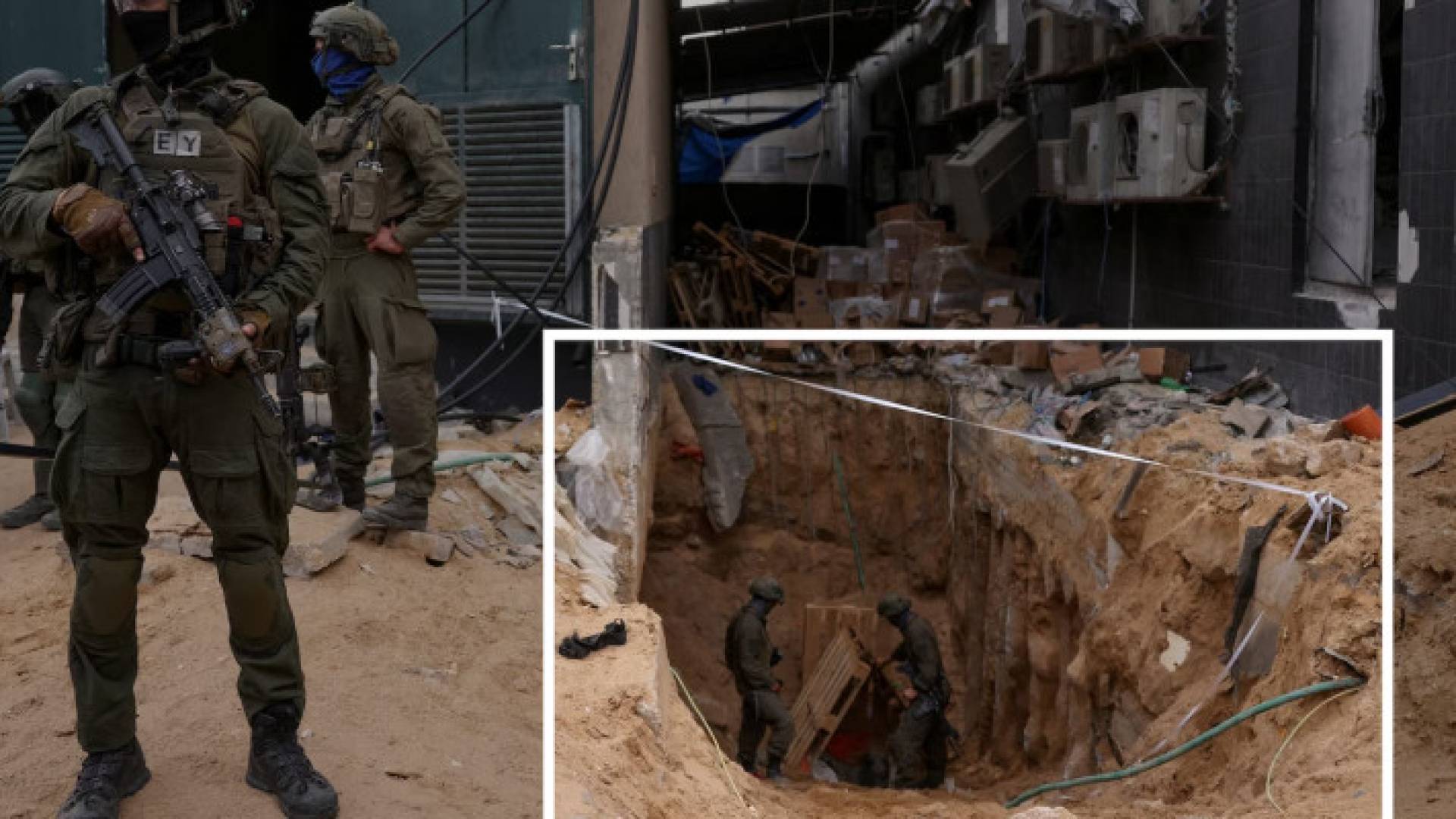
Washington Post investigation questions Israeli Occupation's claims about Shifa Hospital
In a recent analysis conducted by The Washington Post, doubts have been raised about the Israeli Occupation government's assertions regarding the military use of al-Shifa Hospital by Hamas.
The Israeli Occupation claims, which were detailed and specific, suggested that the hospital served as a command and control center for Hamas activities, backed by what Israeli Occupation Forces (IOF) spokesperson Daniel Hagari described as "concrete evidence."
However, The Washington Post's scrutiny of open-source visuals, satellite imagery, and publicly released IOF materials indicates a lack of substantial evidence supporting these claims.
Key findings include the absence of immediate signs of military use in rooms connected to the tunnel network discovered by IOF troops, no apparent connection between the hospital buildings and the tunnel network, and a lack of evidence showing that the tunnels could be accessed from inside hospital wards.
The Washington Post's analysis sheds light on the legality and proportionality of Israeli Occupation's military operations against al-Shifa, raising questions about the civilian harm caused during the encirclement, siege, and eventual raid of the facility and its underlying tunnel.
The al-Shifa Hospital complex, Gaza's most advanced and well-equipped medical facility, played a crucial role in providing health services and shelter for displaced Gazans during the aggression.
The situation at al-Shifa has broader implications, as experts warn that the precedent set by targeting a medical facility poses risks for the future. The targeting of hospitals in Gaza has become a concerning pattern, with almost half of the major medical facilities in northern Gaza targeted or damaged in the recent aggressiob. This includes the effective destruction of Kamal Adwan Hospital and the besieging of Al-Awda Hospital.
The Washington Post's analysis calls for a more comprehensive understanding of the events at al-Shifa and emphasizes the need to scrutinize military actions against medical facilities to ensure compliance with international laws of war. The situation remains a critical case study, highlighting the delicate balance between military operations and the protection of civilian infrastructure, especially medical facilities that are afforded special status even during times of conflict.