Iceland

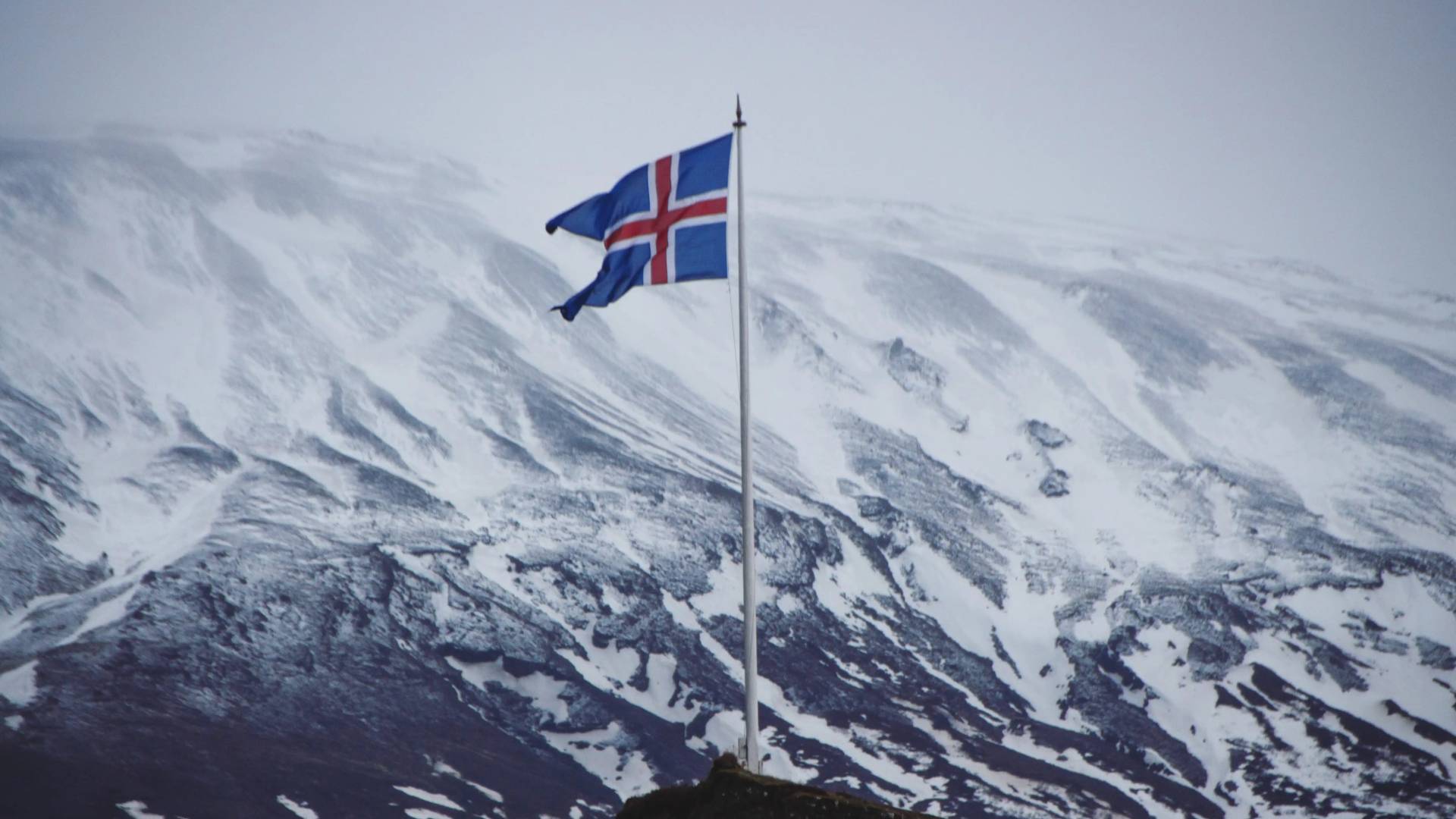
'Iceland' withdraws from Eurovision over 'Israel's' participation
Note: AI technology was used to generate this article’s audio.
• RÚV confirms it will not compete in Eurovision 2026
• Broadcaster says 'Israel’s' involvement created division
• Public pressure and artist opposition shaped the final decision
Iceland’s national broadcaster RÚV has formally withdrawn from the 2026 Eurovision Song Contest, citing deep public division sparked by the European Broadcasting Union’s decision to allow 'Israel' to remain in the competition. The announcement followed a board meeting held earlier Wednesday.
Iceland joins Ireland, Spain, the Netherlands and Slovenia, all of which stated they will boycott next year’s contest.
- Public reaction -
Crowds gathered outside RÚV headquarters earlier in the day to support the withdrawal. The broadcaster said the participation of 'Israel’s' public broadcaster KAN had caused significant discord among EBU members and within Iceland.
In the statement signed by director general Stefán Eiríksson, RÚV wrote that “neither joy nor peace will prevail regarding the participation of RÚV in Eurovision.” He added that the broadcaster has notified the EBU of its withdrawal.
- Internal concerns -
According to the full press release, RÚV representatives raised concerns with the EBU at meetings in London and Geneva. While EBU members supported changes to contest rules, RÚV argued those adjustments did not fully resolve doubts about KAN’s continued presence.
The broadcaster noted that artist groups and the Icelandic public had repeatedly opposed participation. RÚV’s board also asked the EBU to remove KAN based on precedent, warning that the issue had already harmed the contest’s reputation.